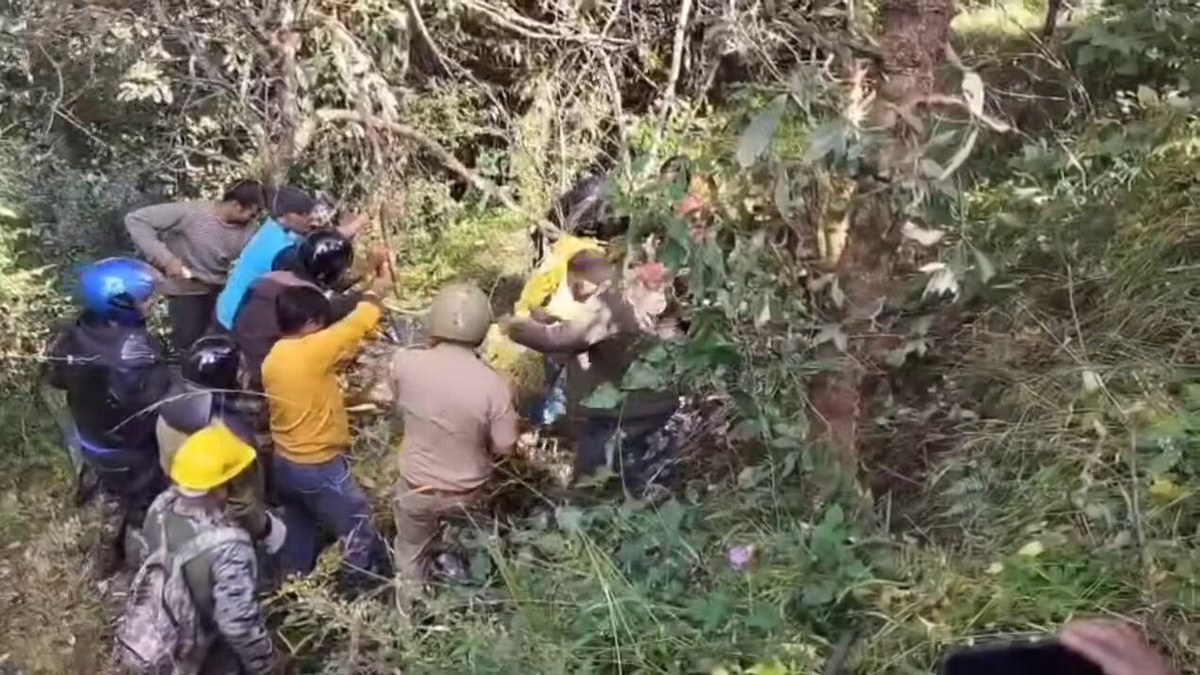


Bear movement into populated areas is increasing across Uttarakhand, with several incidents reported in Chamoli and Uttarkashi districts. The Forest Department has directed officials to strengthen patrols and take additional safety measures as bears search for food before hibernation.
Experts say the seasonal movement can increase the risk of human-wildlife conflict. Residents have been advised to remain alert, especially near forest edges, settlements and waste dumps where food may be available.
Why bear movement increases before hibernation
Retired Wildlife Institute of India scientist Satya Kumar said bears increase their body fat before entering hibernation. The stored energy helps them sustain their bodies during the hibernation period.
To build those reserves, bears may travel wherever they can find food. That search can take them beyond forests and into populated areas. Kumar said October is an important month from this perspective and urged people to remain cautious.
Vivek Pandey, Additional Principal Chief Conservator of Forests (Wildlife), said bear movement generally increases from September to November and again in February. He said bears come towards settlements while searching for food, raising the possibility of human-wildlife conflict.
Forest Department directs stronger precautions
The Forest Headquarters has instructed forest officials to increase patrolling at sensitive locations. Officials have also been asked to install camera traps and conduct awareness activities for local residents.
Waste management is another focus of the instructions. Bears also reach garbage dumps close to settlements, where discarded food can attract them. The department has directed officials to coordinate with district administrations to clean such areas and take other necessary steps.
The measures are intended to improve monitoring, reduce food sources near homes and alert residents during periods of increased bear movement. The department has not provided a statewide figure for the number of incidents in the available information.
What residents should know
The reported seasonal pattern means caution is especially important during September to November and in February. Residents should remain alert in areas where bears have been seen, particularly around forest boundaries and unremoved waste.
The Forest Department’s response combines field surveillance, camera-based monitoring, public awareness and cleaning near settlements. These steps address both the movement of bears and the food sources that can draw them towards populated areas.
Conclusion
Bears are moving closer to Uttarakhand’s populated areas while seeking food before hibernation, increasing the risk of conflict. Forest officials have been told to intensify patrols, use camera traps, spread awareness and remove waste near settlements.
Frequently Asked Questions
Q. Why are bears entering populated areas in Uttarakhand?
Bears seek food before hibernation and travel to places where food is available, including populated areas.
Q. Which Uttarakhand districts have reported several incidents?
Several incidents have been reported in Chamoli and Uttarkashi districts.
Q. When does bear movement usually increase?
According to forest officials, movement increases from September to November and again in February.
Q. Why do bears build body fat before hibernation?
The stored body fat provides energy during the hibernation period.
Q. What steps has the Forest Department ordered?
Officials have been instructed to increase patrols, install camera traps, raise public awareness and clean waste dumps near settlements.