

Asphalt surfacing has started on the 12-kilometre road from Nainital to Jeolikot after repair work on the route’s potholes was completed. The improvement is expected to ease travel difficulties caused by the road’s damaged condition.
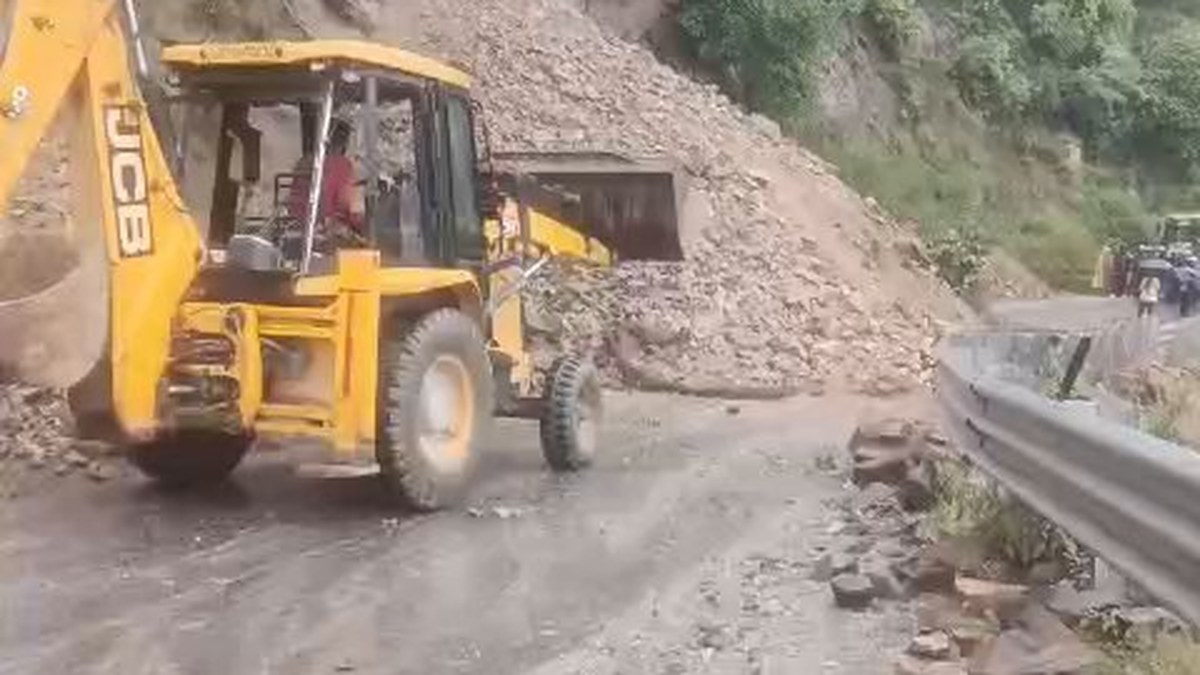
Residents and vehicle drivers had been facing problems while using the route because potholes had developed at several places. The poor surface made regular movement more difficult and had increased inconvenience for people travelling between Nainital and Jeolikot.
Patch repairs completed before surfacing
The department had earlier carried out patchwork to fill the potholes. Once that work was completed, asphalt surfacing began across the road stretch.
The project covers approximately 12 kilometres and has an estimated cost of 350 lakh rupees. The work is intended to improve the road surface and reduce the difficulties caused by potholes.
Mahendra Kumar, executive engineer with the National Highways Authority of India, said people are expected to get relief from pothole-related problems after the asphalt work is completed.
The report does not specify a completion date for the surfacing work. Until the project is finished, conditions along the route may continue to vary between repaired and resurfaced sections.
Conclusion
Asphalt work is now underway on the 12-kilometre Nainital–Jeolikot road following pothole repairs. The 350 lakh rupee project is expected to improve the route and provide relief to residents and vehicle drivers after completion.
Frequently Asked Questions
Q. Which road is being improved?
The road connecting Nainital with Jeolikot is being improved.
Q. How long is the road stretch?
The asphalt work covers 12 kilometres.
Q. What work has started?
Asphalt surfacing has started after patchwork to fill potholes was completed.
Q. Why was the work needed?
Potholes and damaged sections had caused difficulties for residents and vehicle drivers using the route.
Q. What is the estimated project cost?
The work is estimated to cost 350 lakh rupees.
Q. Who provided the project information?
Mahendra Kumar, executive engineer with the National Highways Authority of India, provided the information.