
In most Uttarakhand villages, Ramleela brings entire communities together. Performances are often held in May and June, when summer holidays bring back family members working or studying elsewhere, and again around Navratri and Dussehra. But Dronagiri follows a different tradition: Lord Hanuman never appears on its stage.
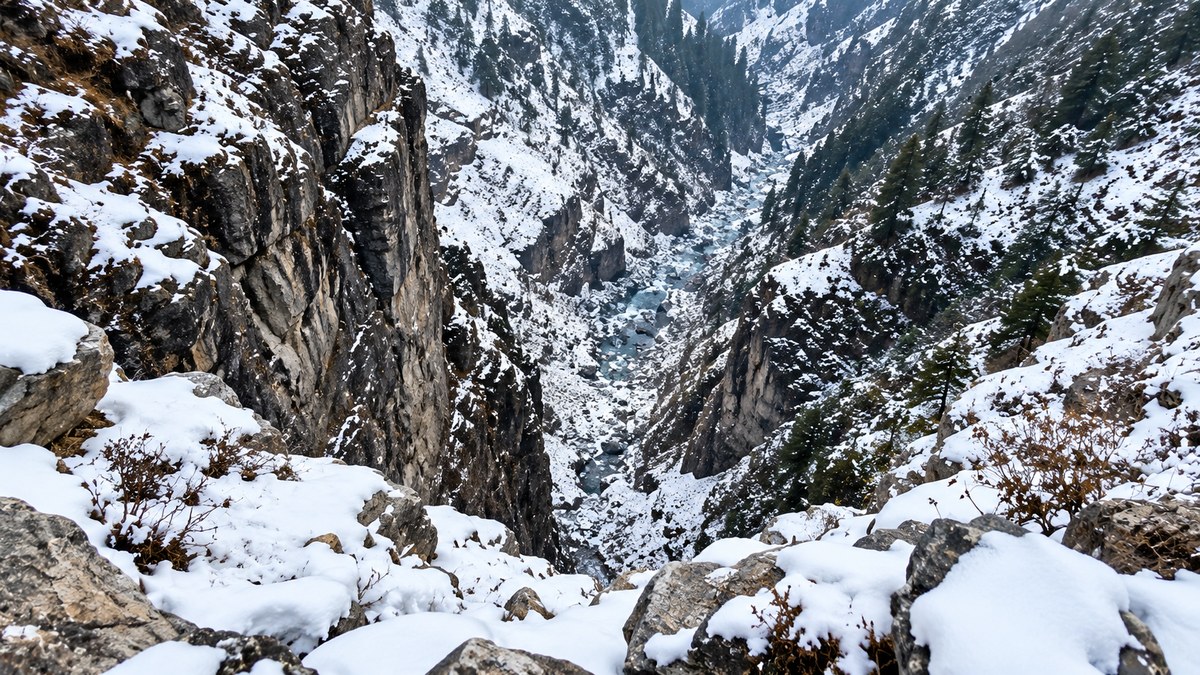
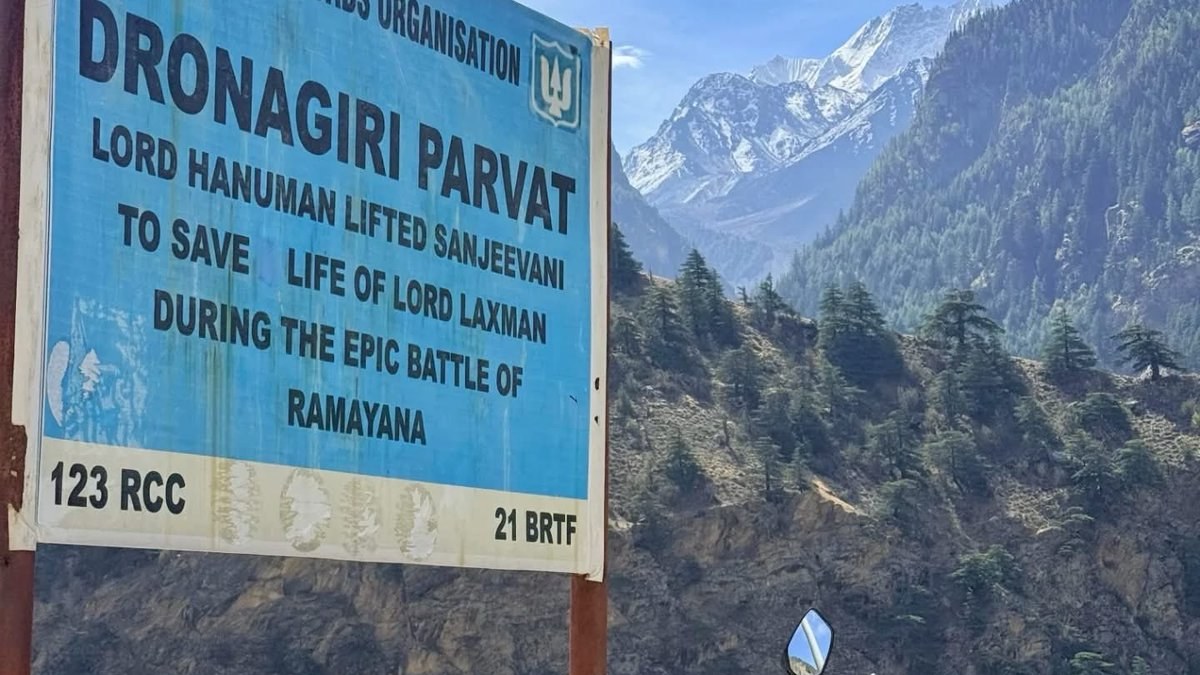
Dronagiri is a small Bhotiya village in Chamoli district, near the Tibet border, with around 50 families. Until recently, residents had to walk 12 km to reach a road. For the villagers, however, the Dronagiri mountain is more than a landscape. They regard it as their Ishta devta, or chosen deity, believed to protect their fields, cattle and children.
Why Hanuman is absent
Local belief connects the mountain with the Ramayana episode involving Lakshman’s illness. According to the tradition, Lord Hanuman came to Dronagiri while searching for the Sanjeevani herb after Lakshman lay dying. Unable to identify the herb, he carried away a piece of the mountain.
The story that represents devotion elsewhere has a different meaning in Dronagiri. Residents believe their mountain was wounded, and Lord Hanuman is therefore not worshipped there. His name is not spoken in the village.
That belief shapes the local Ramleela. The performance lasts 3 days and includes Bhagwan Ram’s birth, his marriage to Maa Sita and his coronation. Scenes involving Lord Hanuman are omitted.
The result is a distinctive expression of devotion: Dronagiri honours Bhagwan Ram while refusing to forgive the figure its residents associate with damage to their sacred mountain. The tradition also reflects the close relationship between Himalayan communities and the land surrounding them.
A cultural memory beside environmental pressure
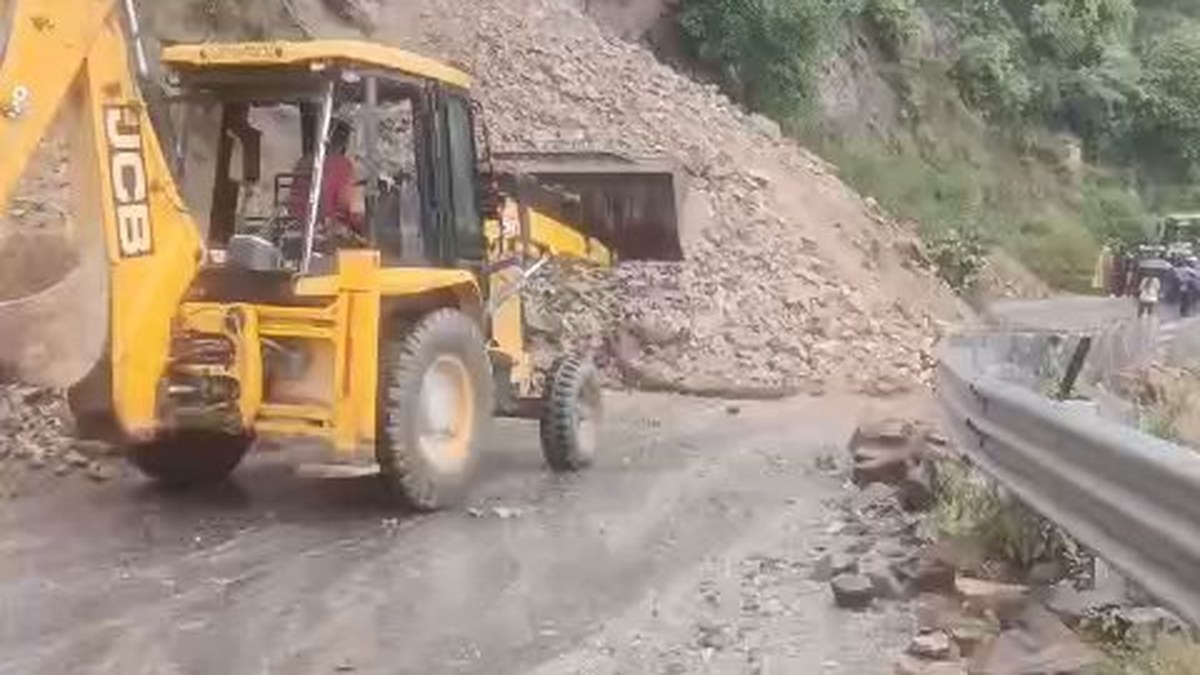
The Dronagiri story has gained wider significance because of the changes taking place across Uttarakhand’s mountain regions. An RTI reply cited in the report said that more than 83,000 trees were cut in Uttarakhand over 10 years by NHAI alone for highway construction and widening.
Government data cited in the report showed that the state handed over 64.71 sq km of forest land for non-forest use between 2014-15 and 2023-24. The report also described rivers being dug for sand and stone through illegal mining, while farmland and forests were divided into plots and sold. It said hotels were being built on slopes with limited capacity to support them.
These pressures have raised concerns about the stability of mountain settlements. Joshimath, located down the valley from Dronagiri, became a prominent example after the town began sinking.
Between December 27, 2022 and January 8, 2023, ISRO satellites recorded subsidence of 5.4 cm in Joshimath over 12 days. By January 21, 2023, the district administration had identified visible cracks in 863 buildings and declared 181 unsafe.
Red crosses were painted on some homes. Families left houses built by their grandparents, carrying away what they could. The episode brought the consequences of fragile slopes and intense development into sharp focus for residents and authorities.
What Dronagiri’s tradition conveys
Dronagiri’s Ramleela is not only a shortened retelling of the epic. It preserves a local memory about a mountain as a living, sacred presence. The village’s belief asks why an act celebrated as heroic in one tradition can be remembered as harm by another community.
The contrast with contemporary development is central to the story. The villagers are said to have resisted even a mythological injury to their mountain, while modern projects have removed trees, altered land and placed construction on vulnerable slopes.
Conclusion
Dronagiri’s 3-day Ramleela and its omission of Lord Hanuman preserve a distinct mountain tradition. Alongside the reported loss of forests and the subsidence in Joshimath, it highlights the importance of understanding Himalayan land as more than a resource for construction and extraction.
Frequently Asked Questions
Q. Where is Dronagiri village?
Dronagiri is a Bhotiya village in Chamoli district, near the Tibet border, in Uttarakhand.
Q. How many families live in Dronagiri?
The village is home to around 50 families.
Q. Why does Lord Hanuman not appear in Dronagiri’s Ramleela?
Residents believe Lord Hanuman carried away a piece of their sacred mountain while searching for the Sanjeevani herb.
Q. How long does Dronagiri’s Ramleela last?
The village performance lasts 3 days.
Q. Which parts of the Ramayana are performed?
The Ramleela includes Bhagwan Ram’s birth, his marriage to Maa Sita and his coronation.
Q. What did ISRO satellites record in Joshimath?
They recorded the town sinking by 5.4 cm between December 27, 2022 and January 8, 2023.
Q. How many Joshimath buildings were found visibly cracked?
By January 21, 2023, visible cracks had been found in 863 buildings, and 181 were declared unsafe.
Q. How much forest land was handed over for non-forest use?
Government data cited in the report showed that 64.71 sq km was handed over between 2014-15 and 2023-24.