
Uttarakhand is preparing a special programme for small and marginal dairy farmers, with the stated aim of increasing milk production and farmers’ incomes. The initiative is expected to cover more than 2 lakh dairy farmers across the state.
The programme will focus on strengthening resources for farmers involved in dairy production. It also aims to improve their access to national and international markets through stronger cooperatives, better collection systems and expanded processing networks.
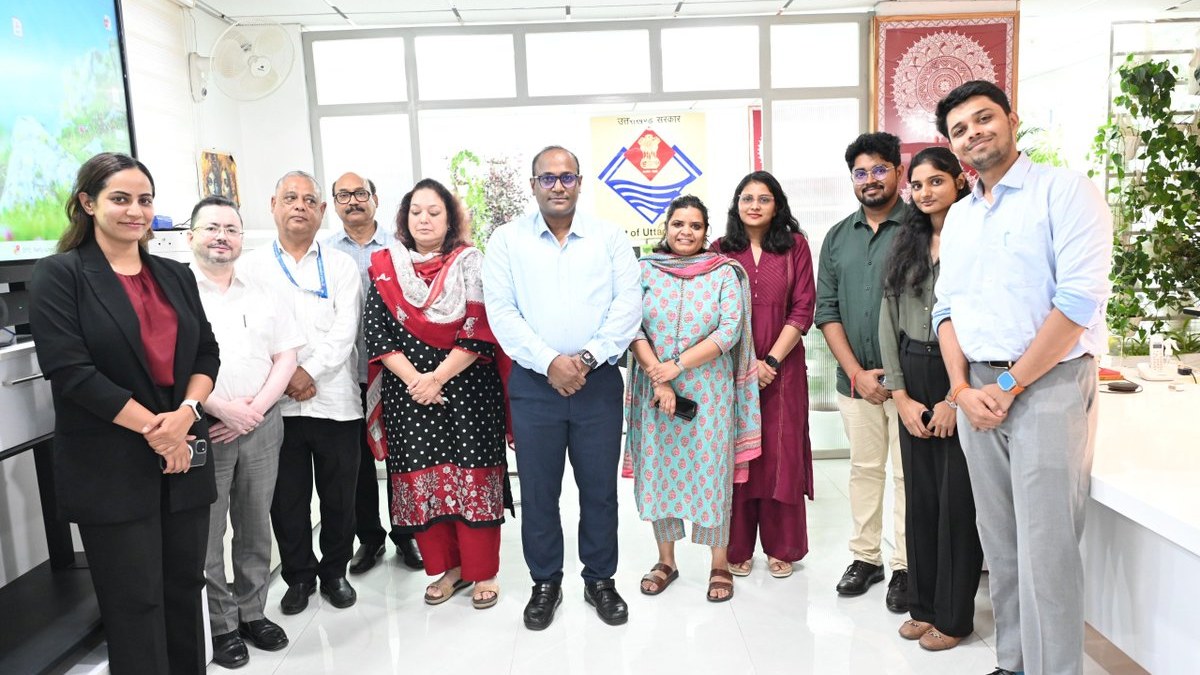
The state government has prepared the programme’s action plan at the administrative level. A meeting to discuss the plan was held this week under the chairmanship of Dr B.V.R.C. Purushottam, secretary of the Animal Husbandry and Dairy Development Department.
The initiative will receive financial support from the Gates Foundation. GDI Partners will provide advisory support for the programme.
Breeding, feed and animal health at the centre
The programme will give special attention to artificial insemination, or AI, and embryo transfer, or ET. These measures are intended to support improved breeding practices and higher milk productivity.
Animal feed and nutrition will form another major part of the plan. The programme includes establishing mini feed mills and encouraging the preparation of balanced animal feed. These measures are intended to help improve access to suitable nutrition for dairy animals.
The plan also includes efforts to strengthen animal health services. Better access to veterinary support is listed as a key area, alongside improved advisory services for farmers.
A further focus will be the strengthening of Aanchal cooperative societies and market arrangements. The programme proposes expanding cooperative milk collection and processing networks so that farmers can connect more effectively with the dairy market.
Technology-based services for farmers
Technology-based innovations will be used across the programme. These include animal health advisories, kits for checking pregnancy and low-cost artificial insemination services.
The stated purpose of these tools is to make livestock-related services more accessible, effective and useful for farmers. The wider programme will combine breeding support, nutrition, animal health services and market access.
The government’s target is to reach more than 2 lakh small and large dairy farmers across Uttarakhand. The expected benefits will come through improved breeding, better animal nutrition, stronger health support and improved links with markets.
Officials involved in the planning
The meeting was chaired by the secretary of the Uttarakhand government’s Animal Husbandry, Fisheries and Dairy Development departments. Those present included Dr Uday Shankar, director of animal husbandry; Ms Ila Giri, director of dairy development; and Dr Rakesh Singh Negi, chief executive officer of the Livestock Development Board.
Gates Foundation representatives Ms Nidhi Jain and Ms Priyanka Kakadu also attended the meeting. The discussions focused on the action plan for delivering the proposed support to dairy farmers across the state.
The available plan identifies the programme’s main areas of work, but it does not specify a public launch date or individual farmer application process. Its next stated step is implementation of the action plan through the identified breeding, feed, health and cooperative-market measures.
Conclusion
Uttarakhand’s proposed dairy programme aims to support more than 2 lakh farmers by combining breeding, nutrition, animal health, technology and stronger cooperative market systems, with financial support from the Gates Foundation and advisory assistance from GDI Partners.
Frequently Asked Questions
Q. Who is the programme intended to support?
The programme is intended for small and marginal dairy farmers, with an overall target of reaching more than 2 lakh dairy farmers in Uttarakhand.
Q. What is the programme’s main objective?
It aims to increase milk production, improve farmers’ incomes and strengthen access to national and international markets.
Q. Which organisations are supporting the initiative?
The Gates Foundation will provide financial support, while GDI Partners will provide advisory support.
Q. What animal breeding services are included?
The plan includes artificial insemination and embryo transfer to support improved breeding and milk productivity.
Q. What feed-related measures are proposed?
The programme includes establishing mini feed mills and encouraging the preparation of balanced animal feed.
Q. Which technology-based services are planned?
The listed services include animal health advisories, pregnancy-checking kits and low-cost artificial insemination services.
Q. Will the programme strengthen milk collection?
Yes. The plan includes strengthening Aanchal cooperative societies and expanding cooperative milk collection and processing networks.
Q. Has a public launch date been announced?
The available information does not specify a public launch date or an individual farmer application process.