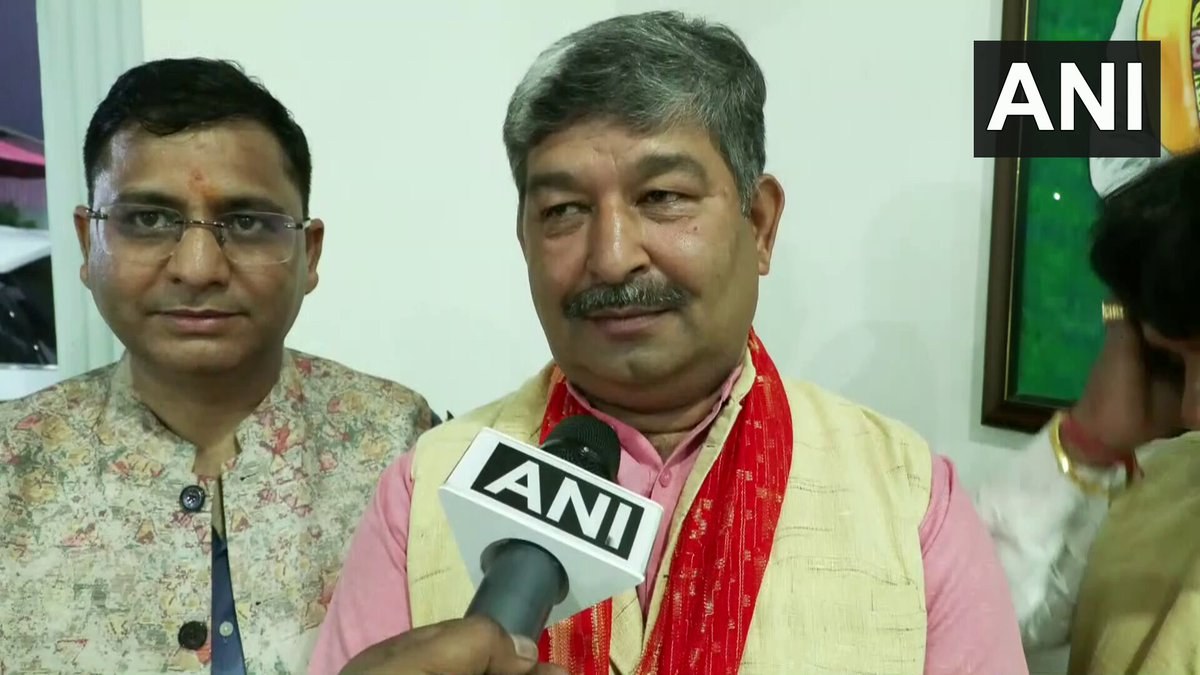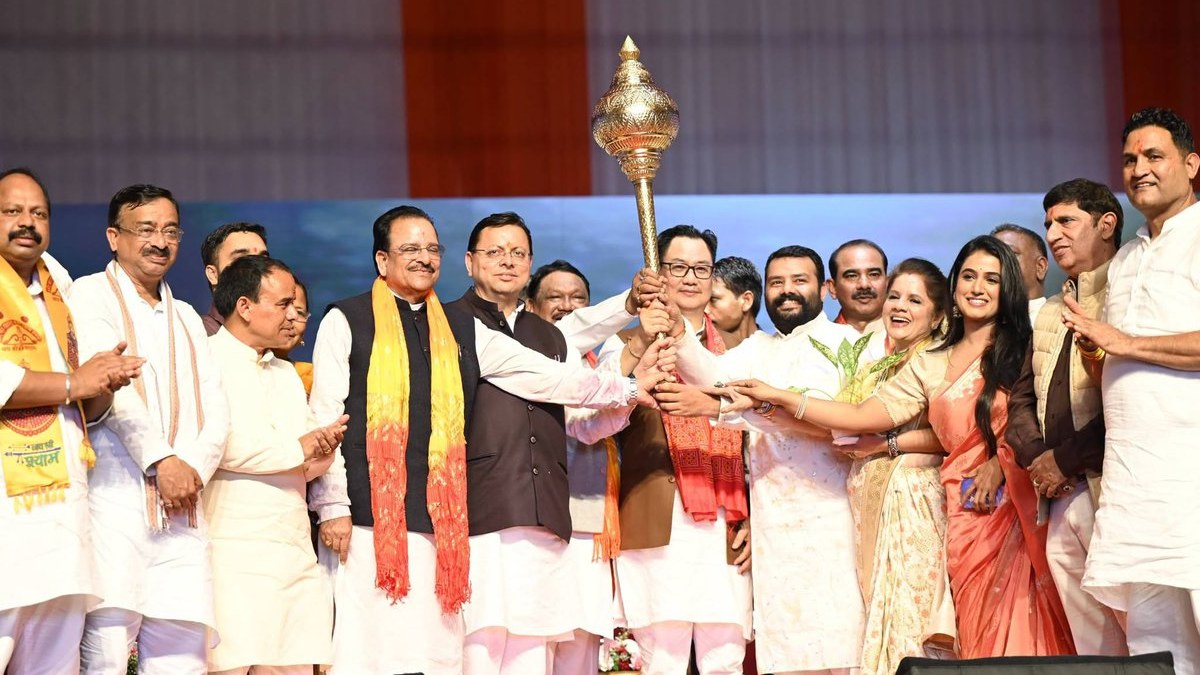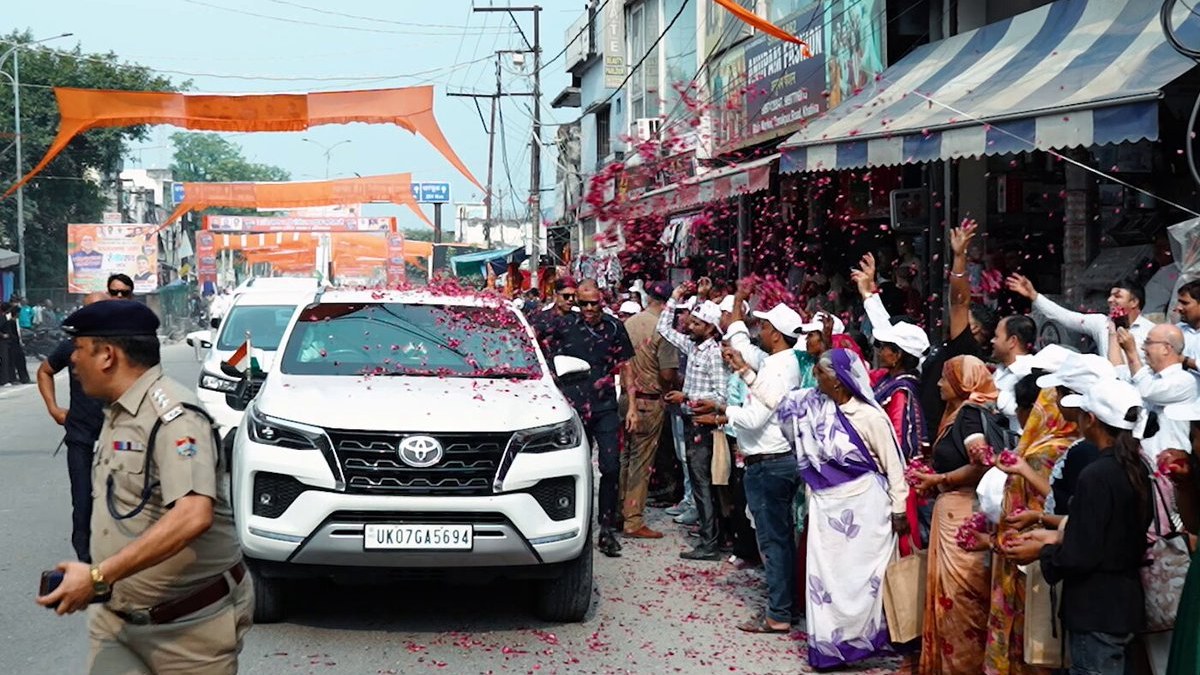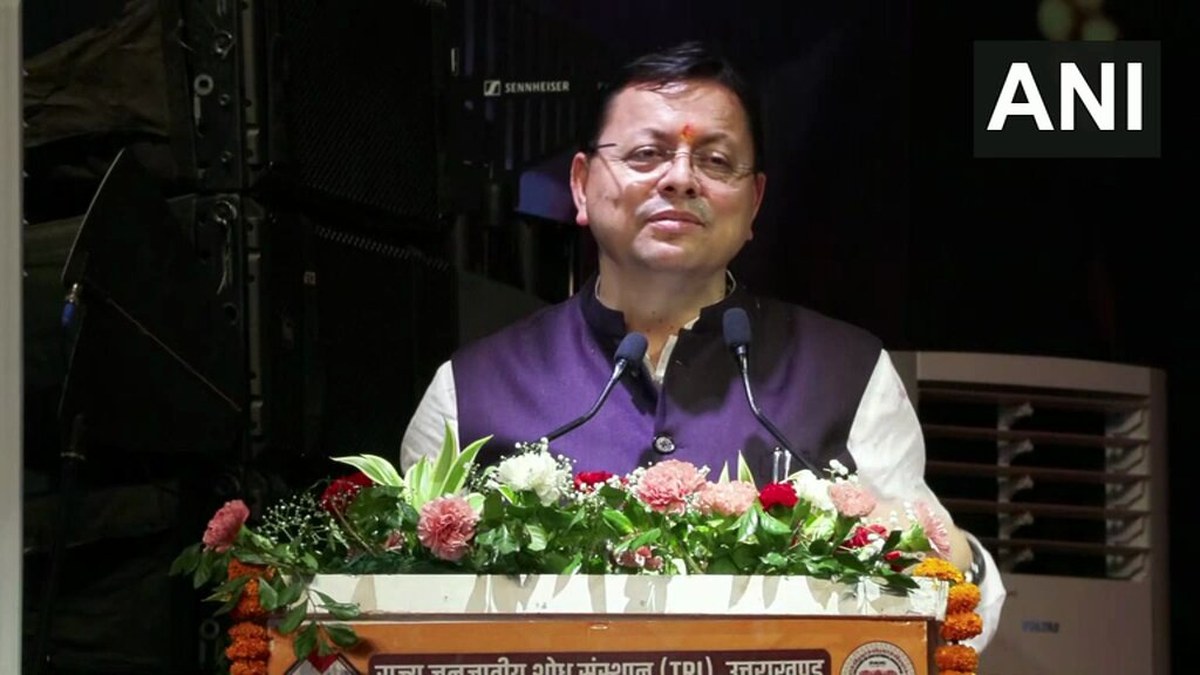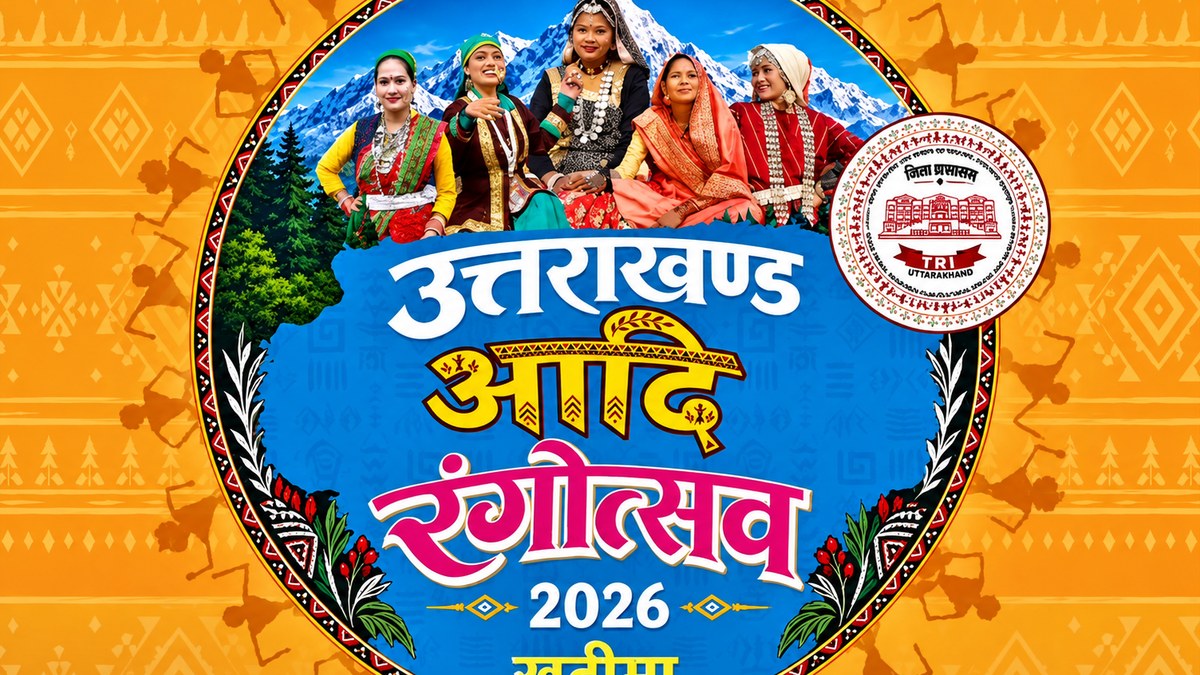

Khatima’s Eklavya Model Residential School is set for expansion, with the Union government planning to spend nearly ₹10 crore on additional facilities, Union Tribal Affairs Minister Juel Oram said during the 3-day Uttarakhand Aadi Rangotsav.
Oram said the hostel project, estimated at about ₹4 crore, has completed its tender process. Construction is expected to begin shortly. Once developed, the school will have space for 480 students, including 240 boys and 240 girls.
The minister credited the joint efforts of the Centre and Uttarakhand Chief Minister Pushkar Singh Dhami for making the Khatima school possible. He also praised the institution for achieving a 100% examination result.
Tribal ministry formed in 1999
Addressing the gathering, Oram recalled the tenure of former Prime Minister Atal Bihari Vajpayee. He said a separate ministry for tribal affairs was established in 1999 after Vajpayee became Prime Minister.
The ministry was created to pursue planned, comprehensive development for tribal communities, including the Tharu, Buksa and Jaunsari groups. Oram said the Union government remains committed to the social and economic empowerment of tribal communities through various schemes.
He assured the gathering that tribal issues in the area would receive priority attention. He also referred to welfare efforts under Prime Minister Narendra Modi’s leadership, including PM-JANMAN, which seeks to extend development initiatives to remote tribal regions.
Ministers highlight Uttarakhand’s tribal identity
Union Parliamentary Affairs and Minority Affairs Minister Kiren Rijiju praised Uttarakhand’s tribal diversity and cultural heritage. He noted that Tharu, Buksa, Jaunsari and Raji communities live in the state and contribute distinctive traditions to its identity.
Rijiju also praised Chief Minister Dhami’s handling of difficult situations, including natural disasters, tunnel accidents and landslides. He said tribal welfare and recognition had received renewed priority in the country after 2014.
He cited the decision to observe Birsa Munda’s birth anniversary as Tribal Pride Day as recognition of the tribal community’s contribution to India’s freedom struggle. Rijiju urged communities to protect their cultural heritage, identity and traditions.
The minister also called for active participation by tribal communities in fulfilling the vision of a developed India by 2047.
Performances bring communities together
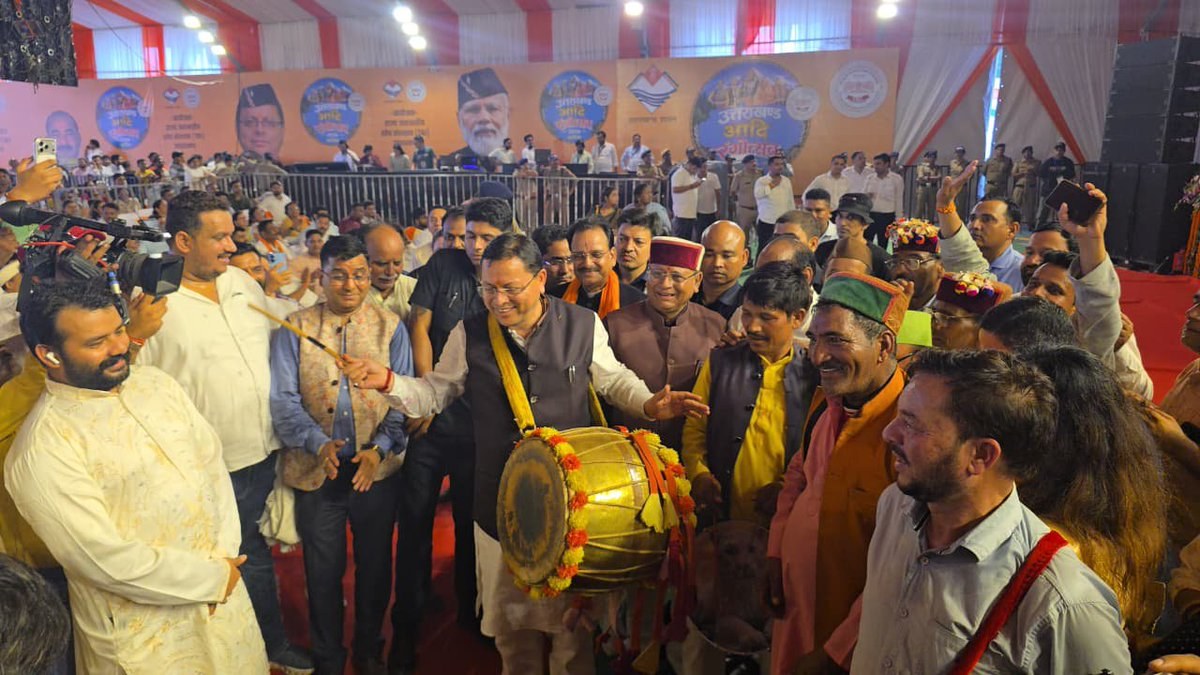
The festival brought tribal representatives and artists to Khatima from Uttarakhand, Arunachal Pradesh, Chhattisgarh, Bihar, Uttar Pradesh, Rajasthan, Madhya Pradesh, Haryana, Maharashtra, Odisha, West Bengal, Jharkhand and Mizoram.
Artists presented folk culture through traditional dances, music and other forms of art. Their colourful traditional clothing and performances became a major attraction for visitors at the event.
Rijiju welcomed the participating representatives and performers from the different states. Cabinet Minister Khajan Das also greeted the guests and congratulated everyone associated with the Aadi Rangotsav.
The programme combined discussion of tribal development with public displays of community traditions. The announcement on the Khatima school expansion placed education and residential facilities at the centre of the local development focus.
Conclusion
The confirmed plan is to expand Khatima’s Eklavya school with nearly ₹10 crore in Union support, including a hostel project of about ₹4 crore, while the festival emphasised education, welfare and preservation of tribal culture.
Frequently Asked Questions
Q. What was announced for Khatima’s Eklavya school?
The Union government will spend nearly ₹10 crore on the school’s expansion and facilities.
Q. How much will the planned hostel cost?
The hostel is expected to cost about ₹4 crore, and its tender process has been completed.
Q. How many students will the school accommodate?
The school will have capacity for 480 students, including 240 boys and 240 girls.
Q. What did Juel Oram say about the school’s performance?
He praised Khatima’s Eklavya school for achieving a 100% examination result.
Q. Which tribal communities were mentioned at the event?
The ministers referred to the Tharu, Buksa, Jaunsari and Raji communities, among others.
Q. Which scheme was cited for remote tribal areas?
Kiren Rijiju referred to PM-JANMAN as an initiative intended to extend development efforts to remote tribal regions.
Q. Which states sent artists to the festival?
Artists came from Uttarakhand, Arunachal Pradesh, Chhattisgarh, Bihar, Uttar Pradesh, Rajasthan, Madhya Pradesh, Haryana, Maharashtra, Odisha, West Bengal, Jharkhand and Mizoram.
Q. What cultural activities took place at the festival?
Artists presented traditional dances, music, folk culture and other forms of art in traditional dress.