

The Jamrani Dam project near Haldwani has accelerated after receiving approval 5 decades later, with work now advancing on the structures needed to divert the Gaula River and prepare the main dam site.
A cofferdam with a capacity of about one MCM is being built to keep the main construction area free of water. The structure is expected to be completed in the current financial year, according to project deputy general manager BB Pandey.
Cofferdams to protect the main dam site
The project includes an upstream cofferdam that will be 26 metres high and a downstream cofferdam measuring 9 metres in height. The upstream structure will be about 40 metres wide and 150 metres long.
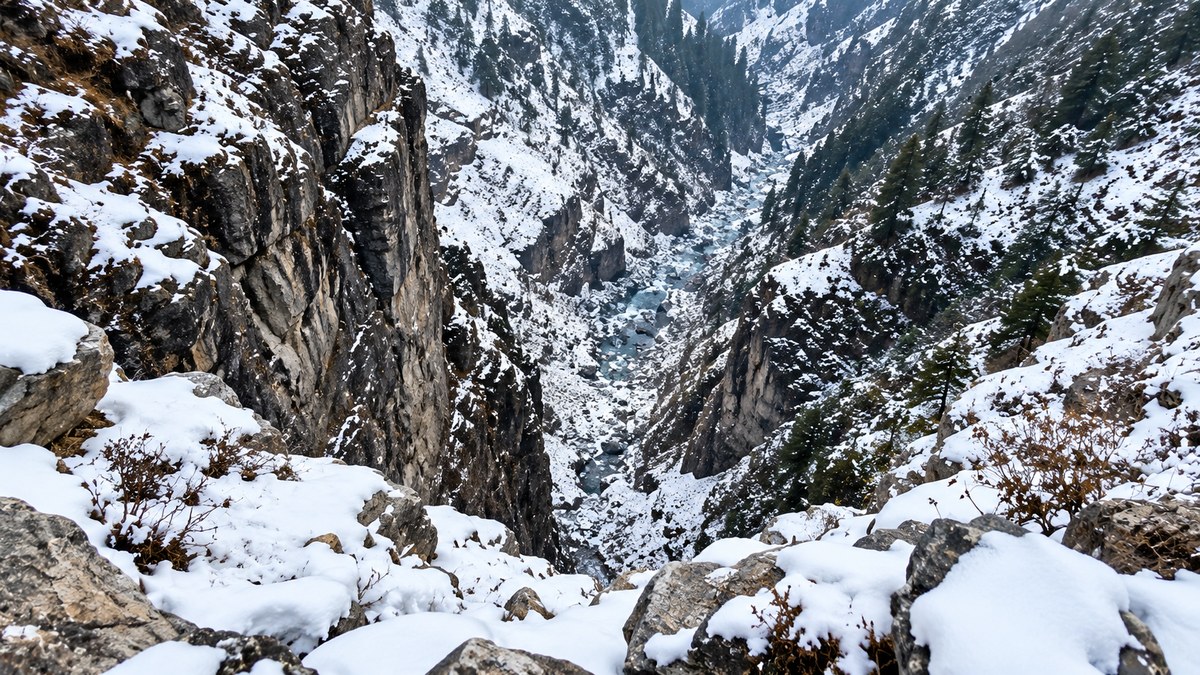
A cofferdam is a temporary but strong barrier built to remove water from a construction zone. At Jamrani, the upstream structure will guide the Gaula’s flow towards the diversion tunnels so work on the main dam can continue in a dry area.
Once the main dam is constructed, the downstream cofferdam will be removed. The upstream cofferdam will be submerged in the reservoir formed behind the dam.
Lining work begins inside diversion tunnels
The project’s 2 diversion tunnels are being cut through the mountain. Tunnel-1 is 644 metres long, while Tunnel-2 extends for 600 metres.
Lining work has started in both tunnels to strengthen sections affected by weak rock. The work includes constructing side walls and a concrete roof through a process described as curb casting.
During the coming monsoon, the full flow of the Gaula River is expected to pass through these tunnels. This diversion will allow construction activity to proceed at the main dam site, after which concrete work on the dam is expected to gather pace.
The tunnel and cofferdam work therefore marks an important transition from preparatory activity to the next major stage of the Jamrani Dam project. The immediate focus remains on completing the temporary water-control structure and securing the diversion route before the monsoon.
Conclusion
The Jamrani Dam project is moving forward with lining work in its 644-metre and 600-metre diversion tunnels, while the cofferdam is being built to keep the main dam site dry. The Gaula’s flow is expected to be diverted through the tunnels during the coming monsoon.
Frequently Asked Questions
Q. What is the Jamrani Dam project’s latest development?
Construction has advanced to cofferdam work and lining inside 2 diversion tunnels for the Gaula River.
Q. How long are the 2 diversion tunnels?
Tunnel-1 is 644 metres long, and Tunnel-2 is 600 metres long.
Q. Why is the cofferdam being built?
It will help keep the main dam construction area dry by directing the Gaula’s flow towards the diversion tunnels.
Q. How high will the cofferdams be?
The upstream cofferdam will be 26 metres high, while the downstream cofferdam will be 9 metres high.
Q. When is the cofferdam expected to be completed?
The cofferdam is expected to be completed in the current financial year.
Q. What will happen to the cofferdams after the main dam is built?
The downstream cofferdam will be removed, while the upstream cofferdam will be submerged in the reservoir.
Q. What work has started inside the tunnels?
Side walls and a concrete roof are being built to strengthen weak sections of the mountain tunnels.
Q. What is planned for the coming monsoon?
The full flow of the Gaula River is expected to be routed through the 2 diversion tunnels.