

India-China trade through the Lipulekh Pass has ended 6 days before its scheduled close, after Chinese authorities directed Indian traders to return because of the risk of heavier snowfall. The trade season had resumed after 7 years but remained subdued, limiting gains for participating traders.
The trade was due to continue until 31 October. However, Indian traders began returning from 26 October following instructions from the Chinese administration. All Indian traders have now returned safely, according to the trade officer quoted in the report.
Trade figures and goods exchanged
The trade office recorded exports worth 74.95 lakh during the season. Imports were valued at 74.51 lakh. The figures cover the cross-border exchange conducted through the Lipulekh route after the long suspension.
Indian traders mainly exported jaggery, sugar and rock sugar. Goods brought back from Taklakot included woollen clothing and sambar shoes. Traders said the limited operating period affected the overall business.
Jeevan Raunkali, president of the India-China Trade Committee, said the season had to be wrapped up early on the instructions of the Chinese administration. Trader Mahesh Hyanki said the trade remained weak because it began late and ended before the planned date.
Snowfall warning and return arrangements
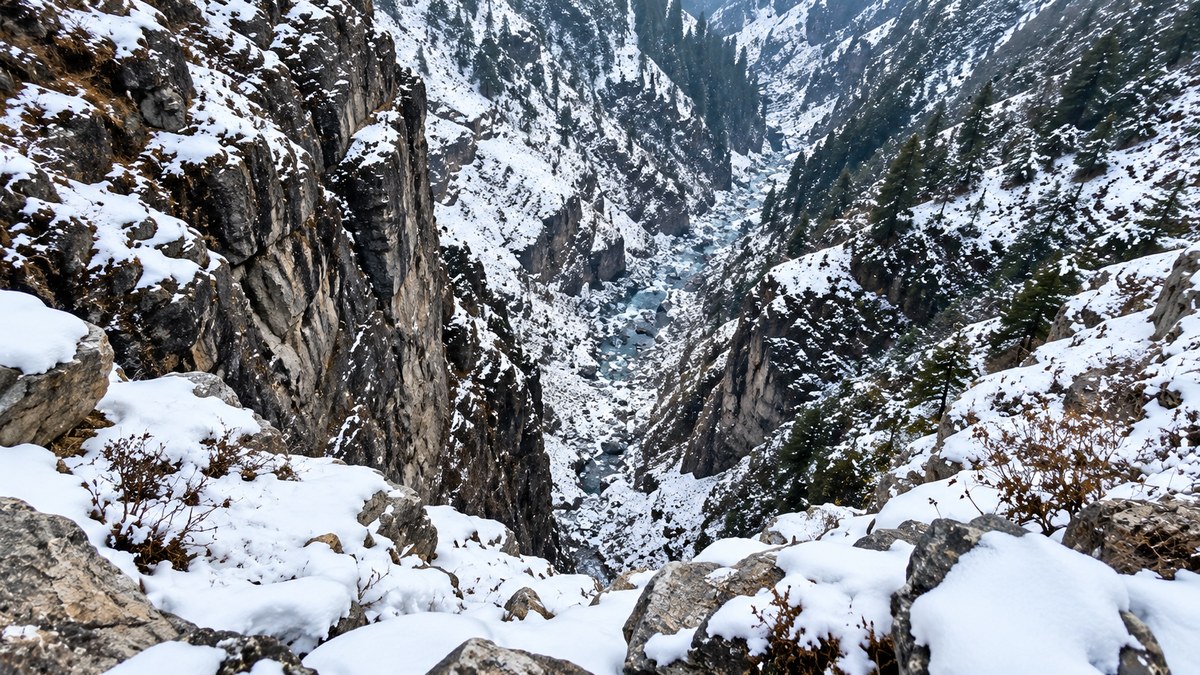
The possibility of heavy snowfall and the resulting risk of the road being closed were given as the reasons for ending the trade early. The decision meant traders had less time to sell goods and complete the season’s business.
Imported goods brought back from Taklakot are being checked at Gunji. The Customs Department has taken the imported consignments into its custody for inspection. Once the process is complete, the goods will be handed back to the traders, who will then travel towards Dharchula with their consignments.
Ashish Joshi, trade officer and SDM, Dharchula, said the traders had returned safely and that Customs was examining the imported goods at Gunji.
Tibetan products planned for Jauljibi fair
The returning traders are also expected to bring Tibetan products to the historic Jauljibi fair, scheduled to begin on 14 November. The fair is expected to display Tibetan goods after 6 years.
Products brought back this season include Tibetan sambar shoes, warm jackets and charu blankets. Their sale at the fair will give local residents an opportunity to buy Tibetan products after a long gap.
Trade through the Lipulekh Pass had been stopped in 2019 after the coronavirus period. Its return this year was therefore significant for traders, although the delayed start and early closure prevented the season from producing substantial profits.
Conclusion
The revived Lipulekh trade ended early because of snowfall and road-closure concerns, with exports of 74.95 lakh and imports of 74.51 lakh. Customs inspection at Gunji is the next confirmed step before traders receive their imported goods.
Frequently Asked Questions
Q. Why did the Lipulekh trade end early?
Chinese authorities ordered Indian traders to return because of the possibility of heavier snowfall and road closures.
Q. When was the trade originally scheduled to end?
The trade was scheduled to continue until 31 October.
Q. When did Indian traders begin returning?
Indian traders began returning from 26 October.
Q. What was the value of the exports and imports?
Exports were valued at 74.95 lakh, while imports were valued at 74.51 lakh.
Q. Which goods did Indian traders export?
The main exports were jaggery, sugar and rock sugar.
Q. What goods were imported from Taklakot?
The imported goods included woollen clothing and sambar shoes.
Q. Where are the imported goods being checked?
The Customs Department is checking the goods at Gunji before returning them to the traders.
Q. When will the Jauljibi fair begin?
The historic Jauljibi fair is scheduled to begin on 14 November.
Q. Which Tibetan products may be sold at the fair?
The products include Tibetan sambar shoes, warm jackets and charu blankets.