

Uttarakhand’s permanent-capital question has remained unresolved since the state was created in 2000. A commission led by retired Justice Virendra Dixit examined possible locations and identified Dehradun as the most suitable option, while listing 17 concerns about developing Gairsain as a permanent capital.
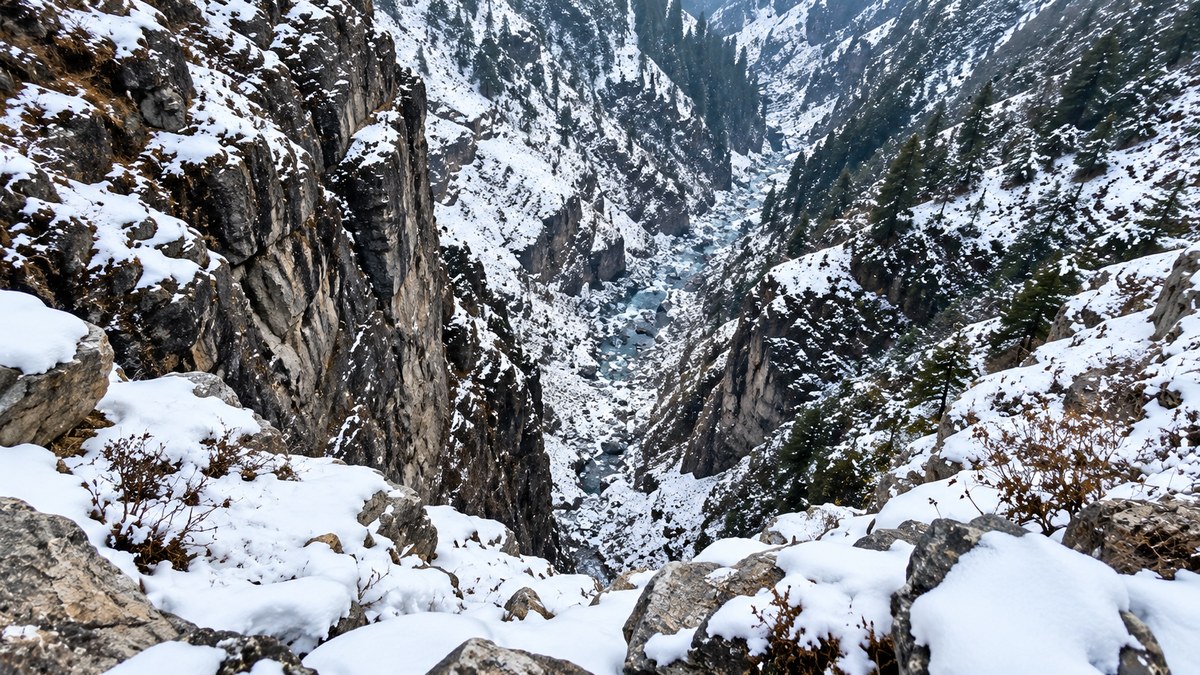
The findings placed infrastructure and geographic constraints at the centre of the debate. The concerns included limited road, rail and air connectivity, water availability, earthquake risk, shortages of land for expansion and possible environmental damage.
The commission also considered public opinion. It received 268 suggestions about the state capital, including responses listed from 192 individuals, 49 institutions and 15 political parties or organisations. Of the suggestions recorded in the report, 126 supported Gairsain.
How the commission was formed
The demand for Gairsain as the capital had been raised by the Uttarakhand Kranti Dal in 1992, during the movement for a separate state from Uttar Pradesh. After Uttarakhand was created in 2000, the state government formed a one-member Capital Selection Commission on 11 January 2001.
The commission was established during the tenure of Uttarakhand’s first chief minister, Nityanand Swami. It initially received 3 months to complete its work, but its term was extended 10 to 11 times under governments led by both the BJP and Congress.
For its assessment, the commission obtained technical assistance from the School of Planning and Architecture, New Delhi. It also used technical research and data from research scholar Arjita Bansal while examining Gairsain and other proposed locations.
What the report recommended
Justice Dixit submitted the report to then Chief Minister Bhuwan Chandra Khanduri on 17 August 2008. The 80-page report was tabled in the Uttarakhand Assembly on 13 July 2009, when Congress legislators in the Opposition protested and raised slogans.
The report examined Gairsain, Dehradun, Kashipur, Ramnagar and the Rishikesh area. Media accounts of the report identified Dehradun as the first choice and Kashipur as the second-best option. Ramnagar and Rishikesh were also considered, but were not selected as the preferred locations.
Dehradun was viewed as more practical because it already had administrative facilities, transport links and basic infrastructure. The commission’s assessment suggested that these existing resources would make capital development comparatively easier there.
Gairsain’s later political status
The commission’s recommendation did not settle the political and emotional dispute over the capital. Supporters of Gairsain continued to connect the demand with the statehood movement and the need for regional balance.
5 years after the report was submitted, then Chief Minister Vijay Bahuguna laid the foundation stone for a second state Assembly building at Bhararisain on 14 January 2013. The site is about 14 km from Gairsain. The foundation ceremony was held on Makar Sankranti at around 11:00 in the morning.
During the tenure of Harish Rawat, the Assembly building at Bhararisain, Gairsain hosted its first official session after being inaugurated in November 2016. After the BJP formed the government in 2017, work on additional facilities connected with the Assembly building continued.
On 4 March 2020, then Chief Minister Trivendra Singh Rawat announced Gairsain as Uttarakhand’s summer capital. The decision received the Governor’s approval and was formally notified on 8 June 2020.
The Dixit Commission therefore provided an administrative and technical assessment, but it did not end the wider dispute. The report favoured Dehradun for a permanent capital, while Gairsain later received formal recognition as the summer capital.
Conclusion
The verified record shows that the Dixit Commission considered Gairsain difficult to develop as a permanent capital because of connectivity, resources, land, disaster risk and environmental concerns. It recommended Dehradun, but the permanent-capital issue remained unresolved after Gairsain became the summer capital in 2020.
Frequently Asked Questions
Q. When was the Capital Selection Commission formed?
The one-member commission, headed by retired Justice Virendra Dixit, was formed on 11 January 2001.
Q. When did the commission submit its report?
Justice Dixit submitted the report to then Chief Minister Bhuwan Chandra Khanduri on 17 August 2008.
Q. When was the report presented in the Assembly?
The report was tabled in the Uttarakhand Assembly on 13 July 2009.
Q. Which location did the commission consider the best option?
The report identified Dehradun as the best option and Kashipur as the second-best option in media accounts of its findings.
Q. What concerns did the commission raise about Gairsain?
The concerns included connectivity, water supply, land availability, earthquake risk and possible environmental effects.
Q. How many public suggestions did the commission receive?
The commission received 268 suggestions. The material records 126 suggestions as supporting Gairsain.
Q. When was Gairsain made Uttarakhand’s summer capital?
Then Chief Minister Trivendra Singh Rawat announced the decision on 4 March 2020. It received formal status after the Governor’s approval on 8 June 2020.