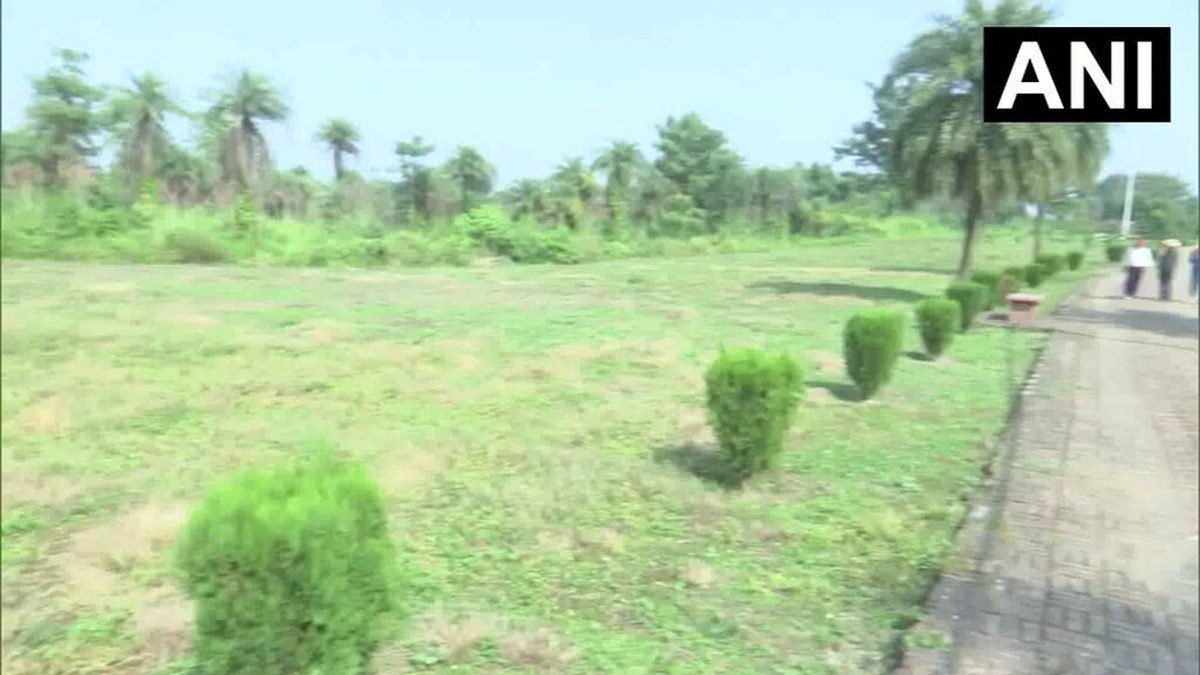

The Archaeological Survey of India is carrying out a deeper excavation at an ancient site in Kashipur, Uttarakhand, to establish its complete cultural sequence and determine its origins.
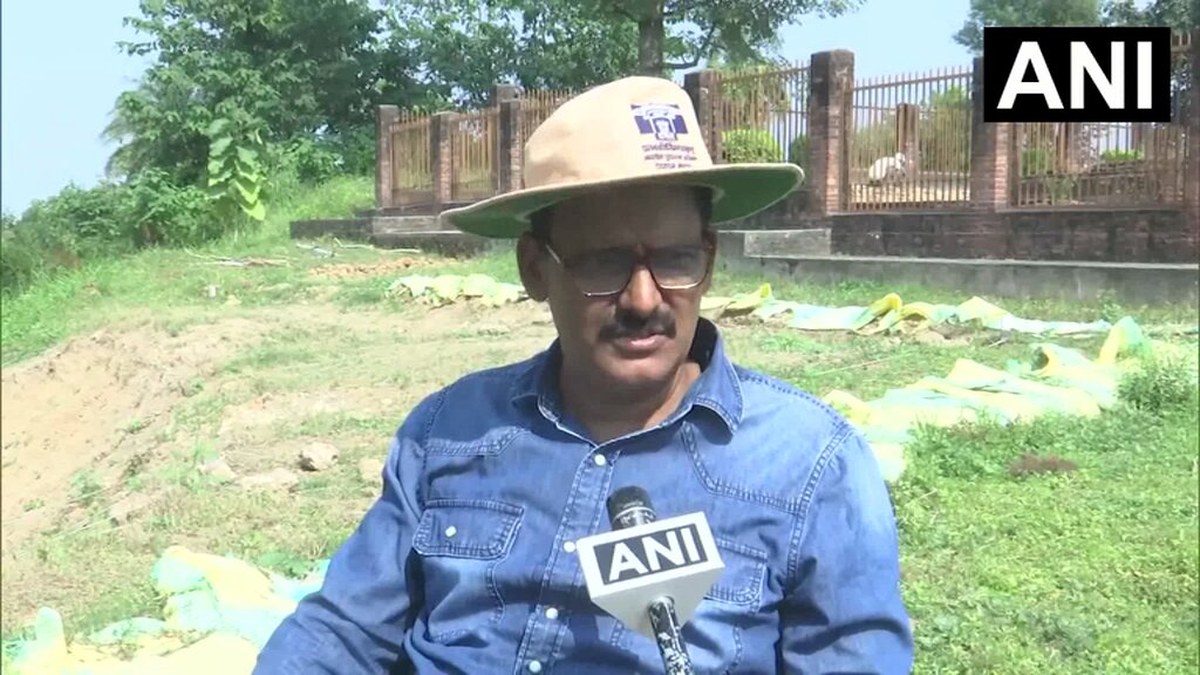
Dr. Mohan Chandra Joshi, Superintending Archaeologist (In-Charge) for the ASI Dehradun Circle, said the site has a history spanning approximately 2,000 years. He said the current work aims to reach the natural soil, which could help researchers understand the different phases of occupation.
The excavation is still at a preliminary stage. According to Joshi, work has continued for only about 20–25 days and has faced interruptions because of rain.
Earlier excavations and historical significance
Joshi said YD Sharma conducted a formal excavation at the site in 1965 and uncovered various structures. Further excavation took place in 1970–71, when additional structures were identified.
Evidence of Painted Grey Ware (PGW) has also been reported from the site. Based on that evidence, many scholars associate the location with the Mahabharata era. That association remains a scholarly interpretation, while the ongoing excavation is intended to provide a fuller archaeological sequence.
The site’s earlier excavations and reported material make the current work important for understanding the history of Kashipur and the surrounding area. The ASI’s stated objective is to examine the layers systematically rather than draw conclusions from a limited exposed area.
New structures under examination
The team has found a small brick dating to the Shunga-Kushan period, Joshi said. At a higher level, excavators have also uncovered a circular brick structure.
For now, the structure is being identified as a circular well on a preliminary basis. Joshi said more definitive details will be possible only after the feature has been fully exposed.
Researchers are also tracing the original foundation level as they dig deeper. They want to establish how many construction levels existed and whether brick structures were used during multiple phases.
If the feature is confirmed as a brick well, the team plans to trace its origin through deeper excavation. That work could help determine how the structure changed over time and how it fitted into the wider sequence at the site.
What the excavation could establish
Reaching the natural soil is central to the project because it may show when human activity first began at the location. It could also help separate later construction from earlier occupation layers.
The current findings do not yet provide a final interpretation of the circular structure or the full history of the site. Further exposure and deeper excavation are required before the ASI can offer more conclusive details.
The reported PGW evidence, the earlier excavations and the newly identified brick remains together provide the basis for continued archaeological investigation. Rain-related interruptions have affected the pace, but the stated next step is to continue tracing the structure and its underlying levels.
Conclusion
The ASI’s excavation at the ancient Kashipur site is still preliminary, but researchers have identified Shunga-Kushan-period brick material and a possible circular well. Deeper work will determine the site’s cultural sequence, origins and the structure’s construction history.
Frequently Asked Questions
Q. Where is the archaeological site?
The site is in Kashipur, Uttarakhand.
Q. Who described the ongoing excavation?
Dr. Mohan Chandra Joshi, Superintending Archaeologist (In-Charge) for the ASI Dehradun Circle, described the work and the preliminary findings.
Q. When were earlier excavations conducted?
YD Sharma carried out a formal excavation in 1965 and further excavations in 1970–71.
Q. What new material has been found?
The team has found a small brick dating to the Shunga-Kushan period and a circular brick structure.
Q. Has the circular structure been confirmed as a well?
No. It is being identified as a circular well at this preliminary stage, and more details are expected after it is fully exposed.
Q. What is the main goal of the current excavation?
The main goal is to excavate down to the natural soil, establish the complete cultural sequence and identify the site’s origins.
Q. Why is the site linked by some scholars to the Mahabharata era?
Evidence of Painted Grey Ware has been reported there, and many scholars associate the site with the Mahabharata era on that basis.