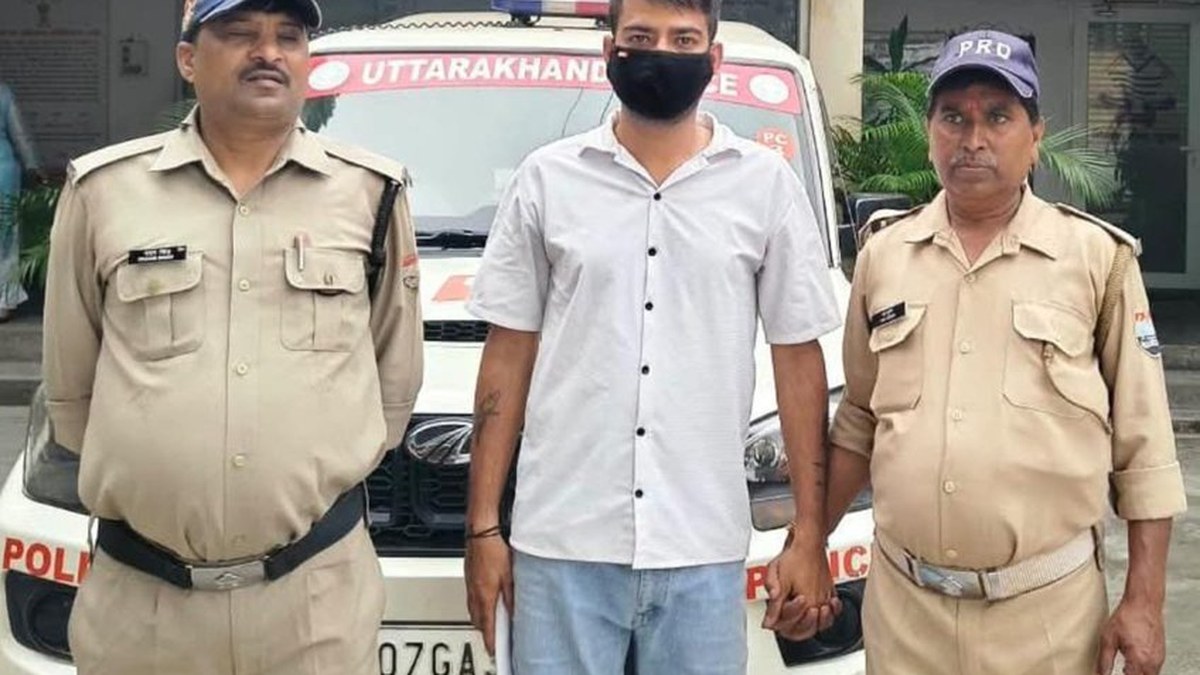


The Uttarakhand Special Task Force has cautioned the public against online advertisements promising to provide a “rent a boyfriend” or “rent a girlfriend” service. The agency said such offers may be part of a cyber fraud trap rather than a genuine service.
The warning is aimed at people who encounter these claims through websites, apps or social media. The STF advised users not to trust attractive online advertisements without checking whether the platform and its claims are genuine.
How the suspected fraud may work
According to STF SSP Ajay Singh, cybercriminals can use appealing offers to draw people into conversations and then demand money. They may ask for registration fees, booking charges or other payments before claiming to arrange the service.
The STF also warned that suspicious platforms could be used to obtain private information. Criminals may then attempt fraud, blackmail or other offences using the details collected from users.
The agency did not present every online offer of this type as a confirmed crime. However, it urged people to treat such claims with caution and avoid unknown applications or websites unless their authenticity has been checked.
Users should not enter personal information, bank account details, one-time passwords or other sensitive data on unfamiliar platforms. They should also avoid transferring money at the request of an unknown person.
An attractive advertisement or an online claim alone should not be treated as proof that a service is real. People should independently verify the person, website or offer before sharing information or making any financial transaction.
What to do after suspected cyber fraud
The STF said anyone who becomes a victim of cyber fraud should call the cyber helpline 1930 without delay. A complaint can also be filed through the National Cyber Crime Reporting Portal at cybercrime.gov.in.
Prompt reporting is important in the agency’s advice to users who have transferred money or shared sensitive information. The STF has also called for stronger digital discipline and greater awareness of cybercrime risks.
Navratri campaign links safety with 9 messages
Alongside the warning about fake companion-service offers, the Uttarakhand STF is running a cyber-awareness campaign during Navratri. Under its “Cyber Awareness 2.0” campaign, the agency is linking the message of a different form of Goddess Durga with a digital safety lesson on each day of the festival.
The campaign addresses risks including online fraud, suspicious links and password theft. The first day’s message, linked to Maa Shailputri, focused on strong passwords as the first layer of digital protection.
The STF advised users to create long, unique passwords and avoid easily guessable details such as their name or date of birth. It also recommended using different passwords for different online accounts and not sharing them with anyone.
The second day’s message, associated with Maa Brahmacharini’s emphasis on discipline and restraint, warned users against clicking unknown links in haste. People were advised to be especially careful with lottery messages, steep discounts and promises of quick earnings.
The STF said users should not provide personal or banking information because of such offers. It also advised checking the identity of the person, the website and the offer before completing a financial transaction.
Ajay Singh said cybercriminals often try to lure, frighten or rush people into making decisions. The agency plans to continue sharing digital safety guidance through messages linked to the different forms of Goddess Durga during the remaining days of the campaign.
Conclusion
The Uttarakhand STF has urged people to treat “rent a boyfriend” and “rent a girlfriend” offers as potentially dangerous online claims, protect sensitive information, avoid unknown payments and report cyber fraud quickly through 1930 or cybercrime.gov.in.
Frequently Asked Questions
Q. What warning has the Uttarakhand STF issued?
The STF has warned people about online offers claiming to provide rented boyfriends or girlfriends. It said such offers may be used for cyber fraud.
Q. What payments might fraudsters demand?
They may seek registration fees, booking charges or other payments before claiming to provide the service.
Q. Which details should users not share on unknown platforms?
Users should not share personal information, bank account details, one-time passwords or other sensitive data.
Q. What is the cyber fraud helpline number?
The cyber fraud helpline number is 1930.
Q. Where can people report cybercrime online?
Complaints can be filed on the National Cyber Crime Reporting Portal at cybercrime.gov.in.
Q. What does the Navratri cyber-awareness campaign cover?
The STF’s “Cyber Awareness 2.0” campaign covers online fraud, suspicious links, password theft and other digital safety measures.
Q. What password advice has the STF given?
It has advised people to use long, unique passwords, avoid names and birth dates, use different passwords for different accounts and keep them private.