
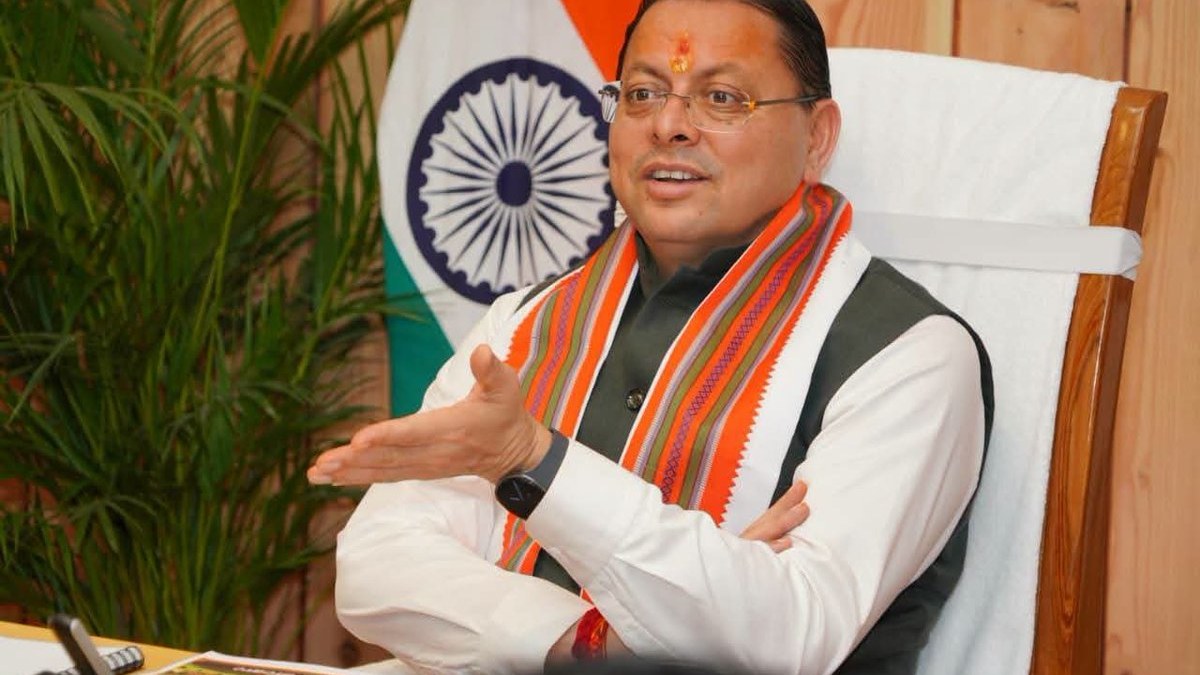
Officials of the Sanskrit Education Department were directed to prepare a comprehensive action plan for Sanskrit-related work in Haridwar ahead of the upcoming Kumbh. The direction was issued during a review meeting held at a government residence.
The meeting focused on expanding the use and understanding of Sanskrit through community activities, education and outreach at important religious destinations. Officials were also instructed to ensure that ideal Sanskrit villages conduct Sanskrit conversation sessions and Sanskrit-based activities regularly throughout the year.
Focus on Sanskrit villages and education
The planned activities in ideal Sanskrit villages are intended to keep Sanskrit engagement active beyond occasional events. The instructions call for regular conversation programmes and other activities based on the language during the entire year.
Officials were further asked to help children learn about Sanskrit alongside important traditional texts. These include the Vedas, Upanishads, Puranas and other significant Sanskrit scriptures.
The material should be presented through simple and interesting methods, according to the directions issued at the meeting. The instructions place emphasis on making the subject accessible and engaging for children rather than limiting learning to formal language lessons.
Outreach at religious destinations
The department was asked to take effective initiatives to promote Sanskrit at major religious and pilgrlocations. The locations named during the review included the Char Dham, Har Ki Paidi, Jageshwar Dham, Adi Kailash, Purnagiri, Surkanda Devi, Dhari Devi, Garjiya Devi Temple and Veerbhadra, Rishikesh.
The proposed outreach links Sanskrit promotion with places that receive religious visitors and hold cultural importance. However, the meeting details do not specify the individual programmes, budgets or timelines for work at each location.
The immediate administrative step is the preparation of the Haridwar action plan for the upcoming Kumbh. The directions also require officials to ensure regular Sanskrit-based activities in ideal Sanskrit villages and to develop effective initiatives at the listed religious sites.
Conclusion
The review meeting set out 3 main priorities: a comprehensive Sanskrit plan for Haridwar ahead of the upcoming Kumbh, year-round activities in ideal Sanskrit villages, and accessible education and outreach at major religious destinations.
Frequently Asked Questions
Q. What was the main direction issued at the meeting?
Officials were directed to prepare a comprehensive plan for Sanskrit-related work in Haridwar ahead of the upcoming Kumbh.
Q. What activities are planned in ideal Sanskrit villages?
The villages are expected to hold Sanskrit conversation sessions and Sanskrit-based activities regularly throughout the year.
Q. What will children be taught?
Children will receive information about Sanskrit, the Vedas, Upanishads, Puranas and other important Sanskrit scriptures through simple and interesting methods.
Q. Which religious places were mentioned for Sanskrit promotion?
The listed locations include the Char Dham, Har Ki Paidi, Jageshwar Dham, Adi Kailash, Purnagiri, Surkanda Devi, Dhari Devi, Garjiya Devi Temple and Veerbhadra, Rishikesh.
Q. Have detailed programmes for each location been announced?
No individual programmes, budgets or timelines for the listed religious locations were specified in the meeting details.