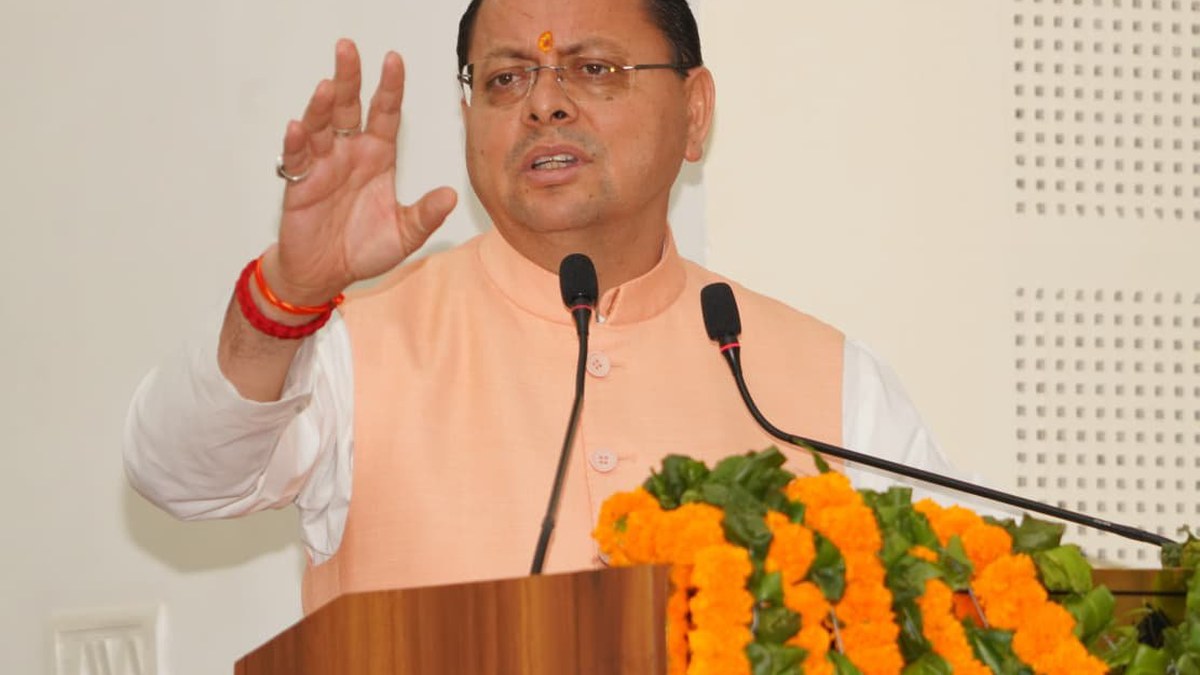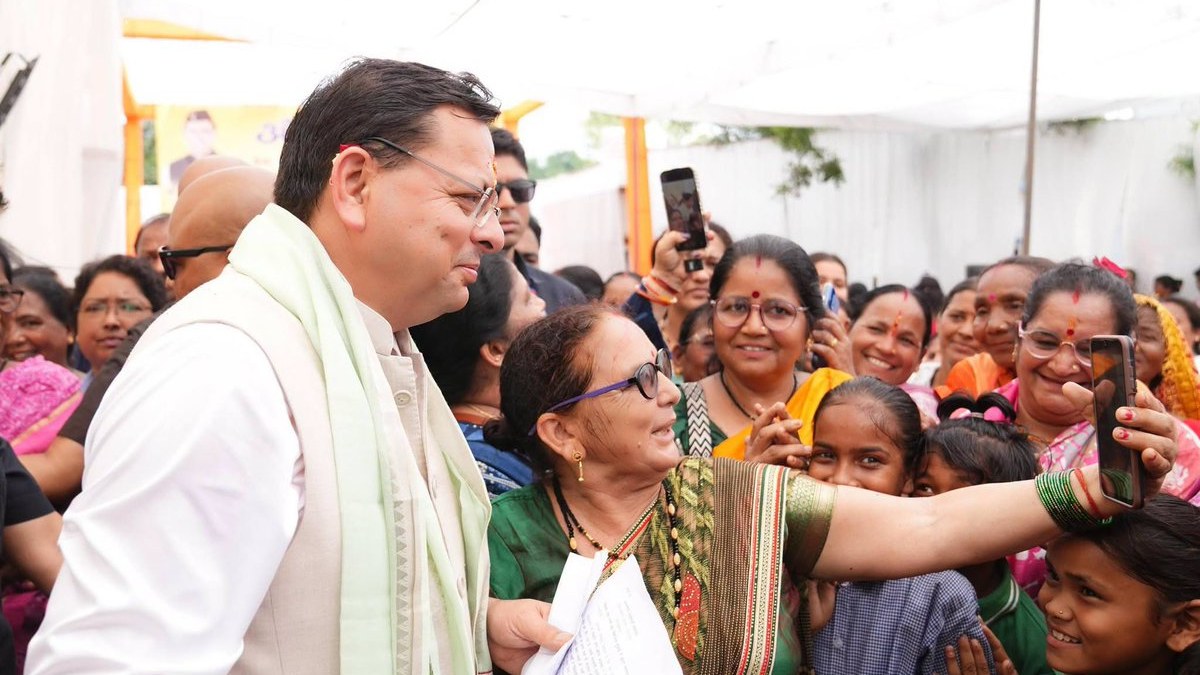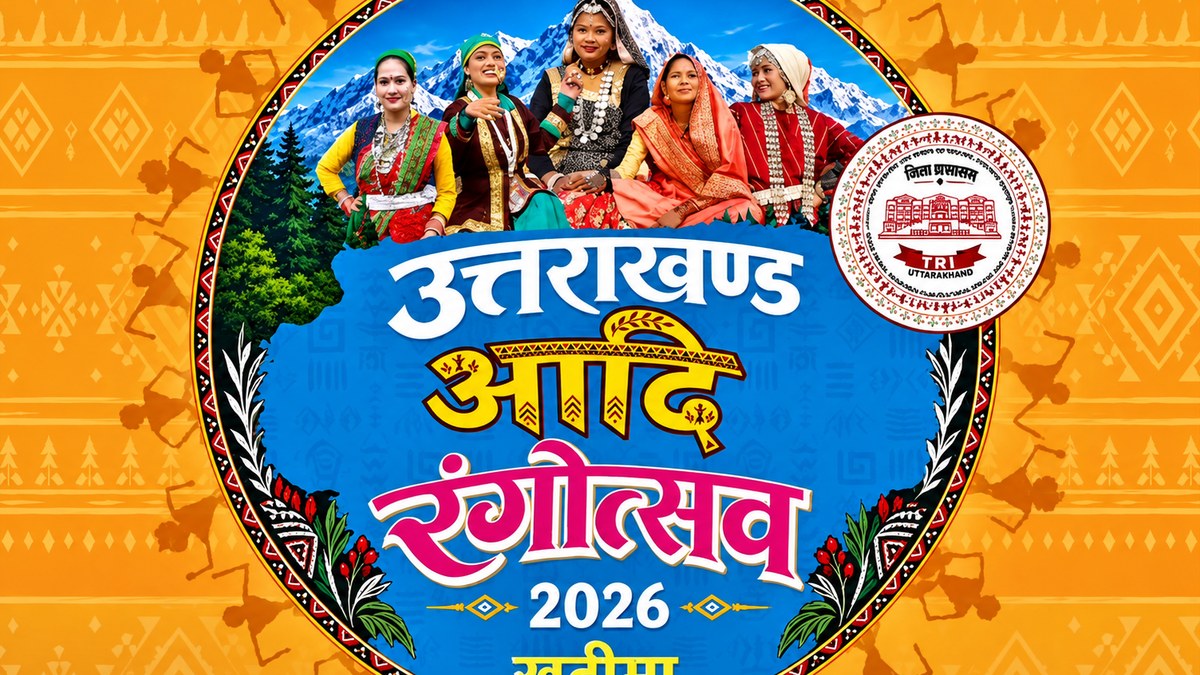

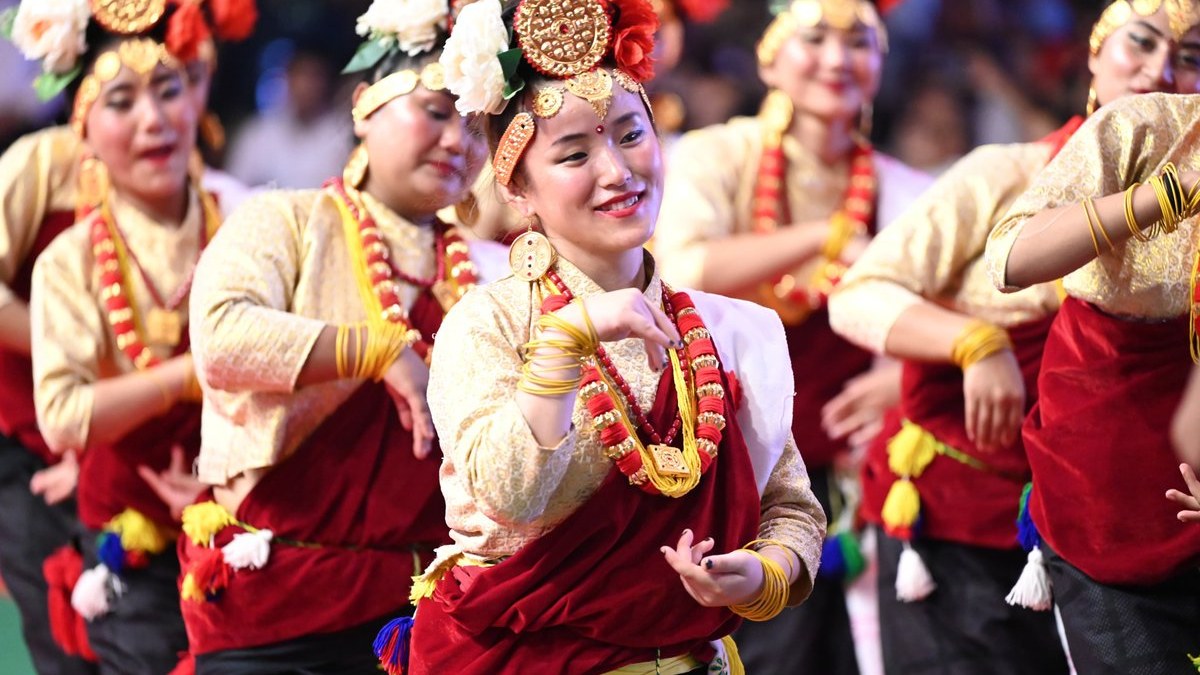
The 3-day Aadi Rangotsav in Khatima has concluded, bringing together tribal artists, artisans and participants from more than 15 states, according to a statement by Pushkar Dhami. The festival offered a shared platform for India’s diverse tribal cultures, folk arts and traditions in Uttarakhand.
The event also created an opportunity for visitors to learn more closely about the country’s tribal heritage. Artists and artisans were able to present their skills, traditional practices and cultural work before a wider audience.
A platform for tribal heritage
The organisers described the festival as a meeting point for different tribal traditions. Participants from across the country contributed to a programme that highlighted cultural diversity through folk arts, traditions and creative expression.
The statement thanked the tribal artists, artisans and other participants who attended the festival. It said their participation helped bring the cultures of different tribal communities together on one platform in Uttarakhand.
Focus on preservation and empowerment
The statement also linked Aadi Rangotsav with continuing efforts for the advancement and empowerment of tribal communities under Prime Minister Narendra Modi’s leadership. It said work was being carried out to support tribal culture and traditions and to help preserve them.
No further programme or administrative decision was announced in the statement. The verified development is the successful conclusion of the 3-day festival in Khatima and its role in presenting tribal heritage to a broader audience.
Conclusion
Aadi Rangotsav concluded in Khatima after showcasing tribal cultures, folk arts and traditions from more than 15 states, while providing artists and artisans with a wider platform.
Frequently Asked Questions
Q. Where was Aadi Rangotsav held?
Aadi Rangotsav was held in Khatima, Uttarakhand.
Q. How long did the festival last?
The festival was held for 3 days.
Q. Who participated in the event?
Tribal artists, artisans and other participants from more than 15 states attended the festival.
Q. What did the festival showcase?
It showcased India’s diverse tribal cultures, folk arts and traditions.
Q. What opportunity did the festival provide artists and artisans?
It gave them a wider platform to present their skills and traditions.
Q. What broader objective was associated with the event?
The statement associated the festival with the empowerment of tribal communities and the preservation of their culture and traditions.