
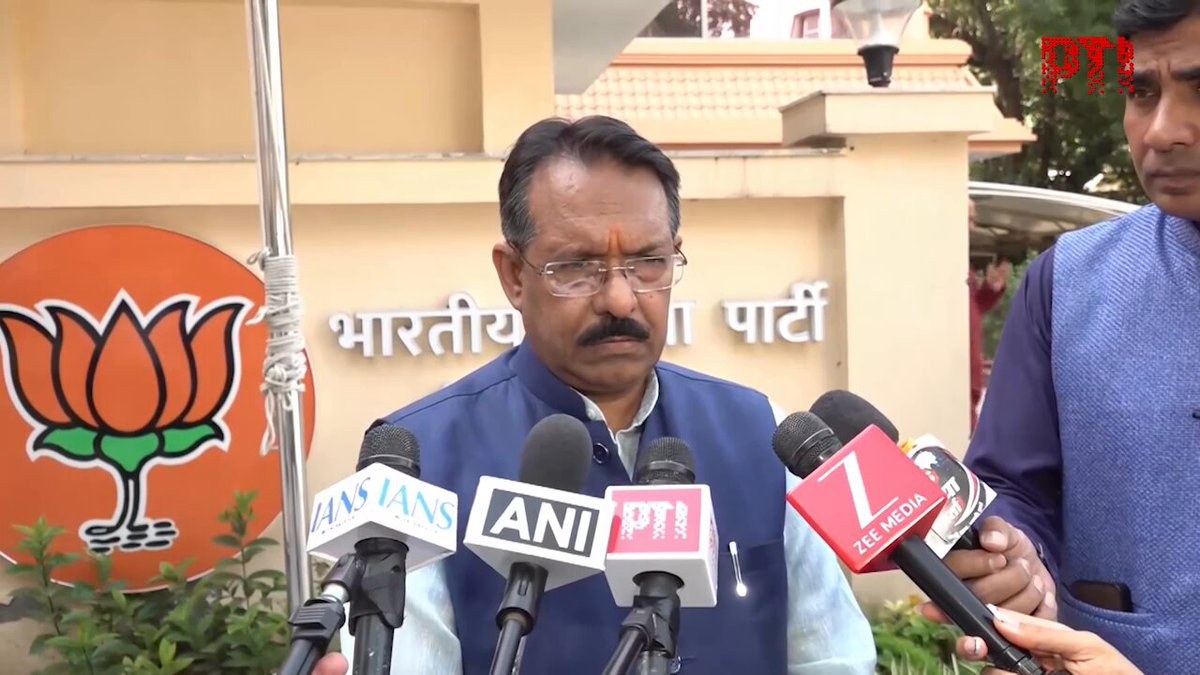
Delhi BJP president Harsh Malhotra paid tribute to people who died during the movement for a separate Uttarakhand at a Balidan Diwas programme in the national capital. A bhajan evening was held at the Delhi BJP office as part of the remembrance event.
Malhotra said the statehood campaign had continued for a long period before Uttarakhand was created. He linked the tribute to the events of 1994, when people were peacefully demonstrating for a separate state.
According to Malhotra, the Uttar Pradesh government led by Mulayam Singh and the Congress government headed by P V Narasimha Rao at the Centre responded with brutality. He said people from Uttarakhand were martyred during that period.
The programme focused on remembering those victims rather than announcing a new political or administrative decision. Malhotra described the devotional gathering at the Delhi BJP office as an occasion to honour their sacrifice.
Malhotra’s account of the 1994 movement
The BJP leader presented the statehood movement as a prolonged public campaign. His remarks connected the commemoration with the political circumstances of 1994, when Uttarakhand supporters were seeking separation from Uttar Pradesh.
He blamed the governments in office at the state and national levels for the treatment of protesters. These were Malhotra’s political remarks about the events and were not accompanied by further details in the available material.
The tribute meeting was described as a Balidan Diwas observance. Its stated purpose was to remember those who lost their lives during the movement for Uttarakhand.
Attack on protests over Gyanesh Kumar
Malhotra also addressed demonstrations demanding the resignation of Gyanesh Kumar. He specifically criticised the Aam Aadmi Party’s participation in a protest at Jantar Mantar.
He alleged that the party was presenting the demonstration as a campaign to protect voting rights because it anticipated defeat in the next Punjab Assembly elections. The claim was made by Malhotra and represents his assessment of the protest’s political motive.
He further argued that the Election Commission is an autonomous institution and does not operate under anyone’s influence. Malhotra said the public had recognised what he called an attempt to mislead them.
The available report does not include a response from the Aam Aadmi Party, Gyanesh Kumar or the Election Commission to his remarks. It also does not provide details about the number of participants at the Jantar Mantar demonstration or the specific demands made there beyond the call for Kumar’s resignation.
Why the remarks matter
Malhotra’s statements brought together 2 separate political themes: the remembrance of Uttarakhand’s statehood movement and criticism of an ongoing dispute involving the Election Commission.
For people connected with Uttarakhand, the Balidan Diwas programme served as a Delhi-based tribute to those remembered as martyrs of the statehood struggle. The comments on the Jantar Mantar protest placed the commemoration within a wider political debate over electoral institutions and opposition campaigning.
The immediate next step described in the material is continued political debate over the protest and the allegations surrounding it. No official action following Malhotra’s comments has been reported.
Conclusion
Harsh Malhotra used the Delhi BJP’s Balidan Diwas programme to honour Uttarakhand statehood movement victims and separately challenge the AAP’s protest over Gyanesh Kumar, while defending the Election Commission’s autonomy.
Frequently Asked Questions
Q. Who organised the Balidan Diwas programme?
The programme was held at the Delhi BJP office, where a bhajan evening was organised to remember the Uttarakhand statehood movement’s martyrs.
Q. Who spoke at the tribute meeting?
Harsh Malhotra, the BJP Delhi president, spoke about the statehood movement and the 1994 events involving protesters.
Q. What did Malhotra say about 1994?
He said people protesting peacefully for a separate Uttarakhand faced brutality when Mulayam Singh’s government governed Uttar Pradesh and P V Narasimha Rao’s Congress government was at the Centre.
Q. What happened to people from Uttarakhand during the events described?
Malhotra said people from Uttarakhand were martyred during the response to the statehood movement.
Q. What protest did Malhotra criticise?
He criticised a Jantar Mantar protest seeking the resignation of Gyanesh Kumar and involving the Aam Aadmi Party.
Q. What was Malhotra’s position on the Election Commission?
He said the Election Commission is autonomous and does not work under anyone’s influence.
Q. What political motive did Malhotra allege?
He alleged that the Aam Aadmi Party was using voting-rights concerns as a pretext because it expected defeat in the next Punjab Assembly elections.