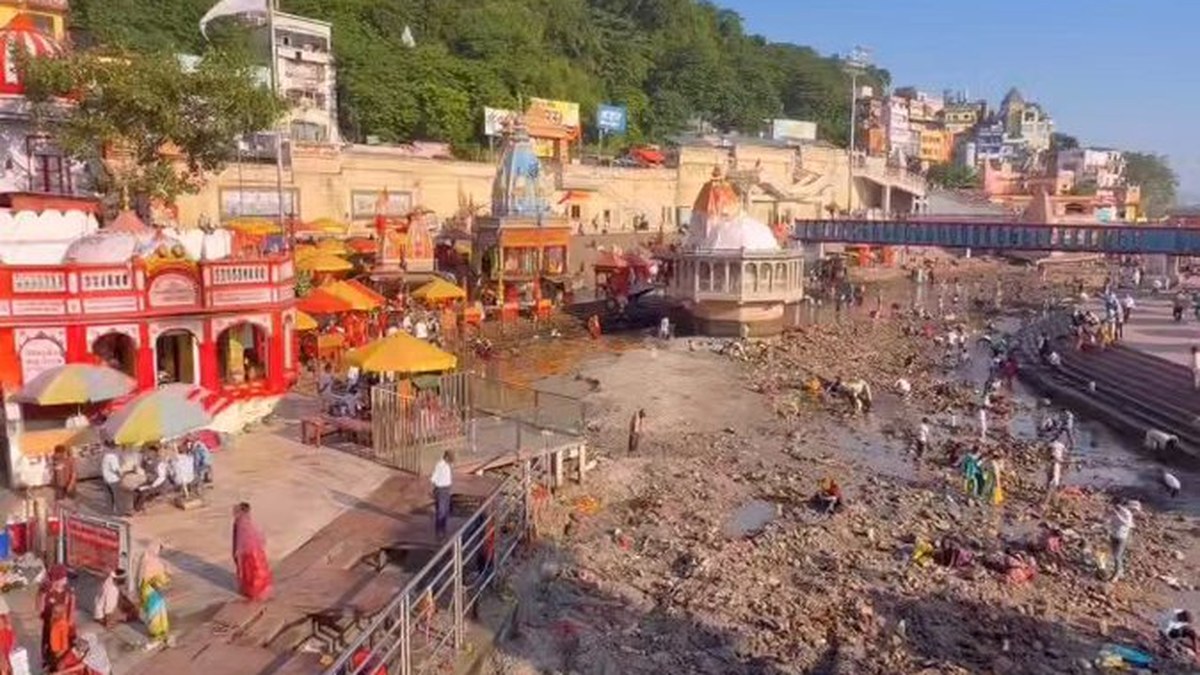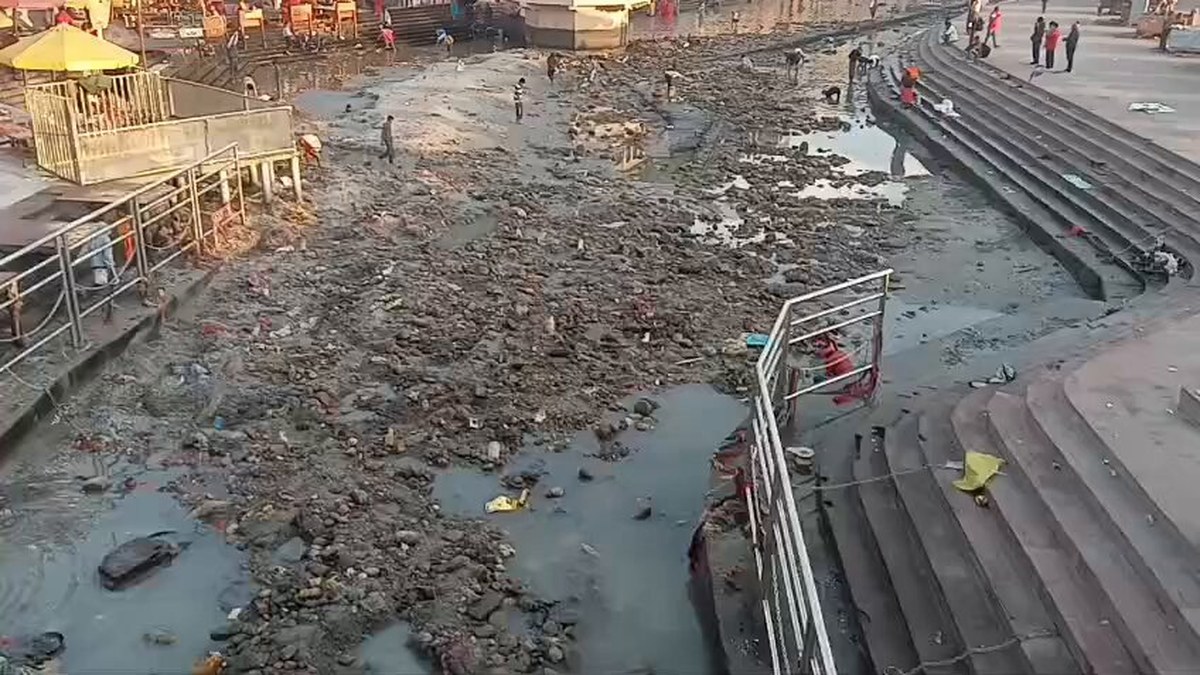

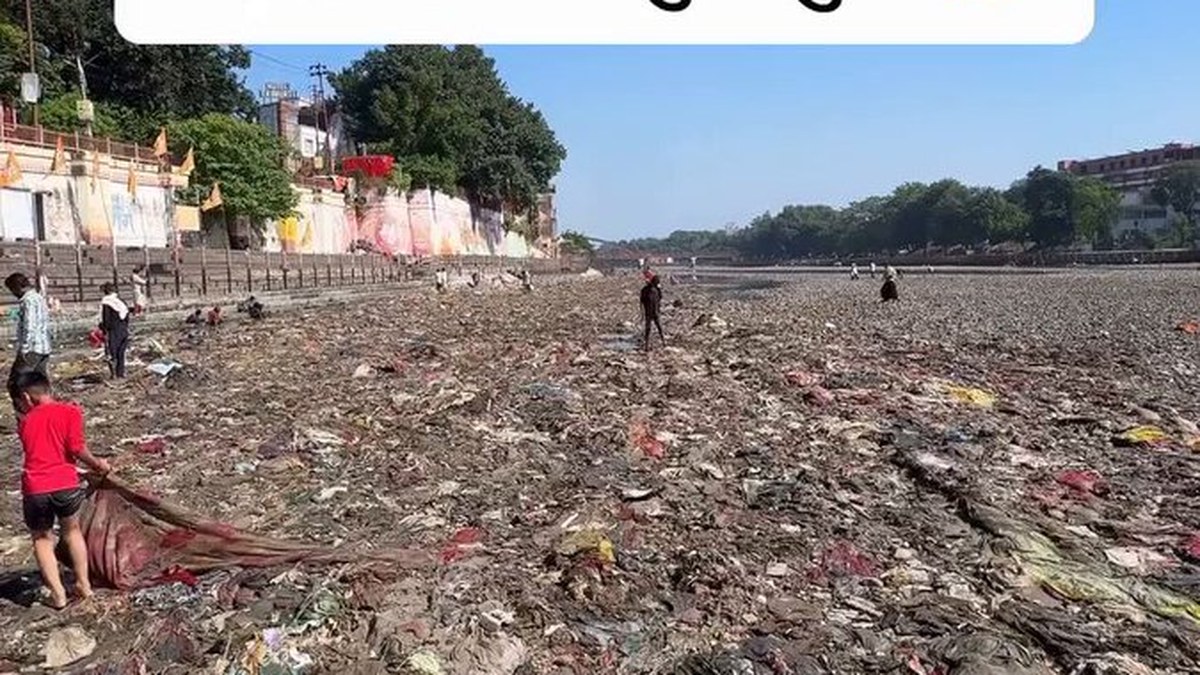
The annual maintenance shutdown of the Upper Ganga Canal at Haridwar exposes the riverbed and starts a large-scale cleaning process. Once the water recedes, the waste left behind becomes clearly visible.
Plastic and polythene are among the discarded materials found on the exposed bed. Old clothes, coconut shells, idols and other waste also remain along the canal’s course.
The recurring scene presents a sharp contrast. The Ganga is widely addressed as “Maa Ganga”, yet offerings and everyday rubbish are still left in and around the water.
What the exposed riverbed shows
The annual closure creates a temporary view of material that is normally hidden beneath the water. The exposed bed reveals waste linked to religious practices, household discards and the use of plastic and polythene.
Old clothes, coconut shells and idols are among the items left behind. Their presence shows that the problem is not limited to one category of rubbish.
Cleaning during the shutdown removes visible waste from the riverbed. However, the repeated discovery of discarded material also draws attention to the need for more responsible behaviour around the Ganga.
Why the issue matters in Haridwar
Haridwar is a major religious destination where people visit the Ganga for bathing, worship and offerings. Waste left in the canal and along its banks affects the cleanliness of the same waterway that devotees regard as sacred.
The maintenance period therefore has 2 consequences. It allows cleaning work to begin when the riverbed is exposed, while also making the scale and type of discarded material easier to see.
The issue is not only about what workers remove. It also concerns what visitors and residents leave behind after using the river and its surroundings.
A recurring responsibility
The annual appearance of plastic, polythene, clothes, coconut shells, idols and other waste makes the message straightforward: respect for the Ganga must include keeping waste out of the water.
The cleaning operation can clear what has accumulated, but preventing fresh dumping remains essential to reducing the same problem during the next maintenance closure.
Conclusion
Haridwar’s annual Upper Ganga Canal maintenance exposes a persistent waste problem, from plastic and polythene to clothes, coconut shells and idols. The visible cleaning effort also underlines the public responsibility to protect the river while expressing faith in it.
Frequently Asked Questions
Q. When does the riverbed become visible?
The riverbed becomes visible when the Upper Ganga Canal at Haridwar is shut for annual maintenance.
Q. What happens after the canal is closed?
The exposed riverbed is cleaned, and accumulated waste is removed.
Q. What types of waste are found there?
Plastic, polythene, old clothes, coconut shells, idols and other waste are found on the exposed bed.
Q. Why is the waste significant?
The waste highlights the contrast between treating the Ganga as “Maa Ganga” and leaving rubbish in or around it.
Q. What responsibility does the report highlight?
It highlights the need for people to avoid leaving waste in the Ganga and its surroundings.