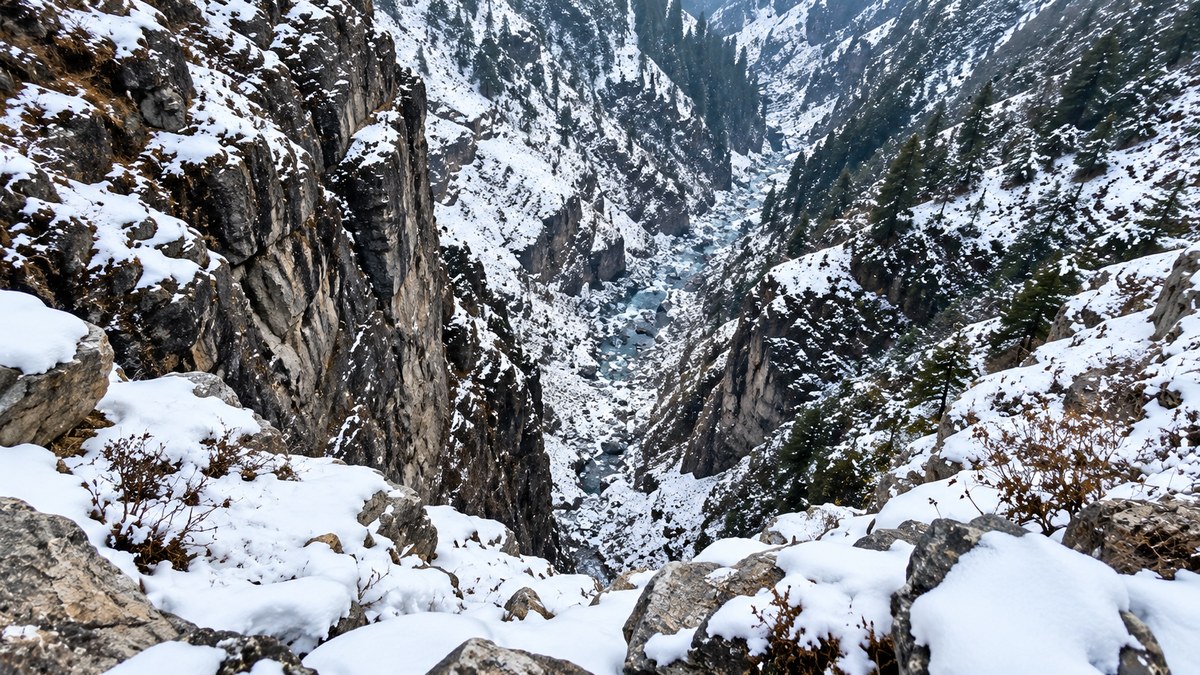

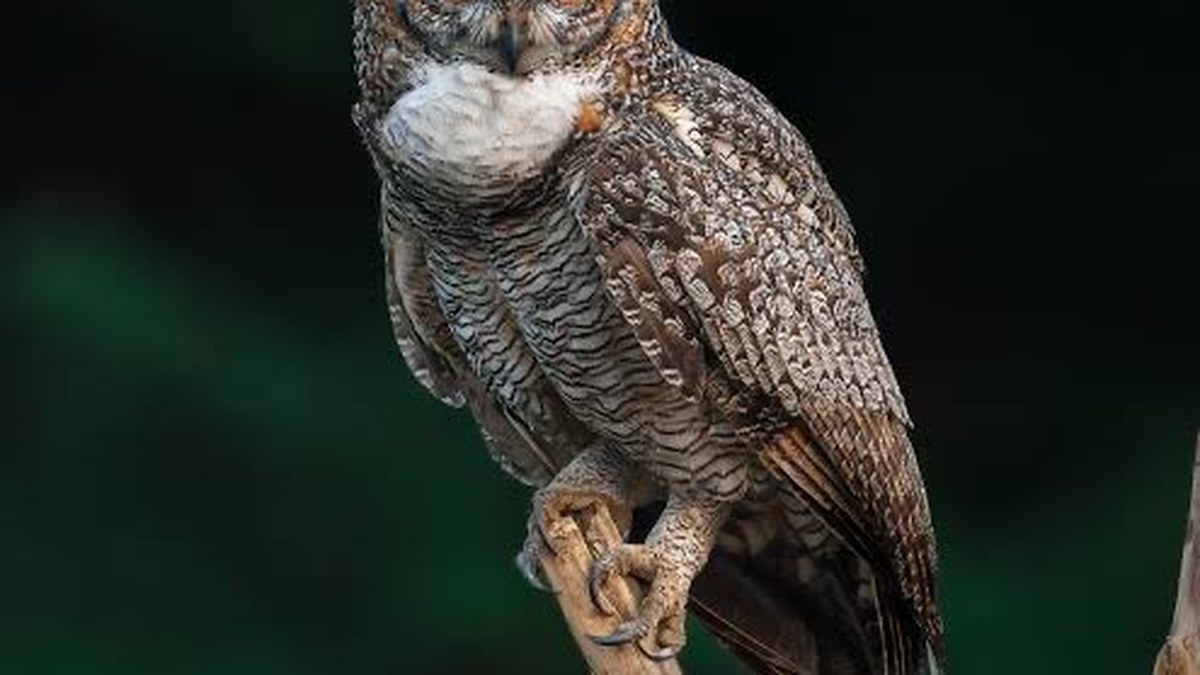
Owls face a heightened threat around Diwali as an old superstition continues to link their sacrifice with wealth through tantric rituals. The danger is not limited to forests, with people also known to search for owls at night in city parks and other green spaces.
The Forest Department has placed Haridwar’s forest areas and Rajaji Tiger Reserve on alert for the festival period. Night patrols and quick response teams are being deployed to help prevent the illegal capture of owls.
Why the threat increases around Diwali
The belief behind the hunting is particularly contradictory because the owl, or Uluka, is considered the vahana of Goddess Lakshmi, who is associated with wealth. Owls are therefore linked with the deity worshipped during Diwali, even as some people reportedly target them in the hope of gaining prosperity.
This practice is not harmless. TRAFFIC India’s 2010 report documented the illegal capture and trade of owls in India, including their use in rituals. The report recorded 15 of the country’s 30 known owl species in the trade.
The available information does not identify any specific seizure, arrest or rescue linked to the current alert. It does show that authorities are treating the seasonal threat as one requiring increased surveillance around Haridwar and Rajaji Tiger Reserve.
City parks also need protection
Forest patrols may not cover every place where owls are vulnerable. The birds also live in urban parks and green spaces, where people searching for them at night could create a risk outside forest boundaries.
That makes public awareness important alongside official monitoring. Residents who see suspicious activity involving owls should avoid confronting suspected offenders and contact the relevant authorities, although the supplied information does not identify a specific helpline or reporting number.
Legal and ecological protection
All native owl species are protected under the Wildlife (Protection) Act, 1972. The birds also perform an important ecological role, particularly by helping control rodent populations.
Illegal capture can therefore harm wildlife as well as the wider balance of urban and forest ecosystems. Protecting owls during Diwali requires attention in both protected areas and the city spaces where these birds may be found.
Conclusion
The Diwali alert in Haridwar’s forest areas and Rajaji Tiger Reserve responds to a documented risk to owls from illegal capture linked to superstition. Night patrols and quick response teams are being deployed, while city parks and green spaces also remain part of the protection challenge.
Frequently Asked Questions
Q. Why are owls at greater risk around Diwali?
An old superstition claims that sacrificing an owl can bring wealth through tantric rituals.
Q. Which areas have been placed on alert?
Haridwar’s forest areas and Rajaji Tiger Reserve have been placed on alert.
Q. What measures are being taken?
Night patrols and quick response teams are being deployed.
Q. Are owls found only in forests?
No. Owls are also found in city parks and other green spaces.
Q. How many owl species were recorded in trade by the TRAFFIC India report?
TRAFFIC India’s 2010 report recorded 15 of India’s 30 known owl species in the trade.
Q. Are native owl species legally protected?
Yes. All native owl species are protected under the Wildlife (Protection) Act, 1972.
Q. Why are owls important to the ecosystem?
Owls help control rodent populations and have an important ecological role.