
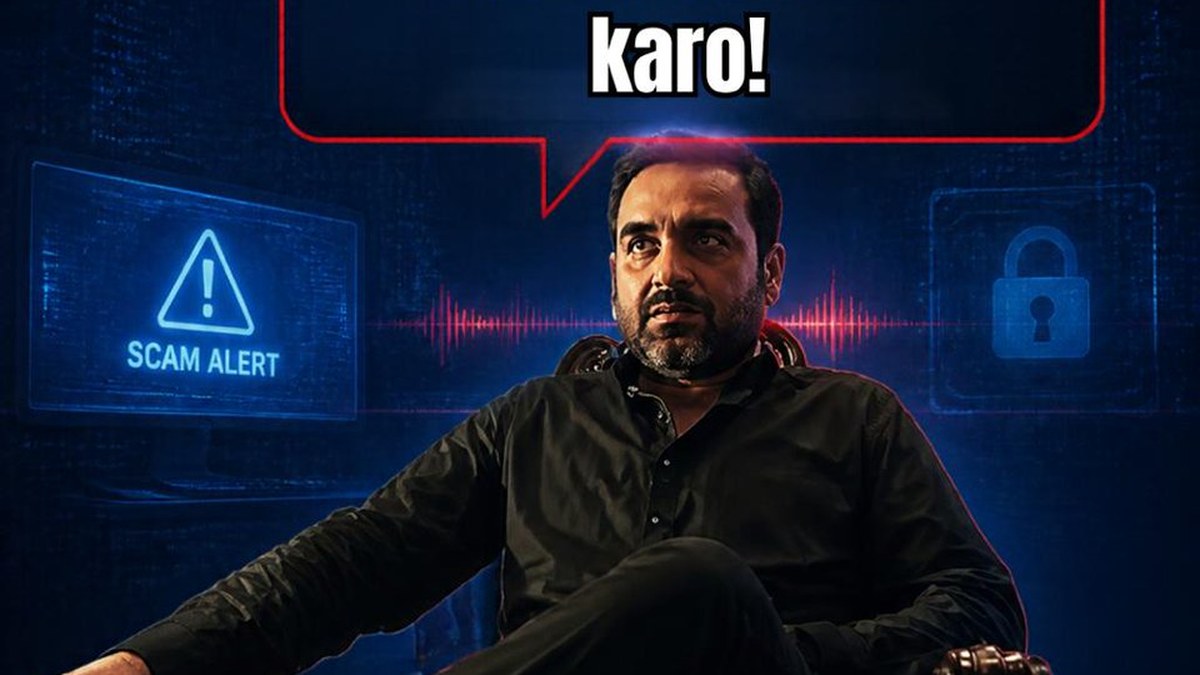
People in Mirzapur and Uttarakhand have been warned that “digital arrest” is not a legal process. Anyone who uses a video call to frighten someone and demand money should be treated as a scammer, according to an advisory from Uttarakhand Cops.
The message urges people not to panic if they receive such a call. It says there is no provision for a “Digital Arrest” in law, countering a scam tactic in which callers use fear and pressure to seek money.
What people should do
The advisory asks anyone facing this situation to take immediate action. Complaints can be reported by calling 1930 or by visiting https://cybercrime.gov.in.
The warning specifically addresses residents of Mirzapur and Uttarakhand. Its central message is that people should not give in to demands made during a threatening video call.
The guidance also provides 2 reporting routes: the 1930 helpline and the cybercrime website. People who encounter the described scam can use either option to report it.
Conclusion
The advisory makes clear that “digital arrest” is not a legal rule and warns people not to pay scammers who use video calls and threats. Immediate reports can be made through 1930 or cybercrime.gov.in.
Frequently Asked Questions
Q. Is “digital arrest” a legal process?
No. The advisory states that there is no such rule in law.
Q. What type of call does the warning describe?
It describes a video call in which someone frightens a person and demands money.
Q. What should a person do during such a call?
The advisory says not to panic and to take immediate action.
Q. Which number can be used to report the scam?
People can call 1930.
Q. Where else can the incident be reported?
It can also be reported at https://cybercrime.gov.in.
Q. Who is the warning aimed at?
The message is aimed at people in Mirzapur and Uttarakhand.