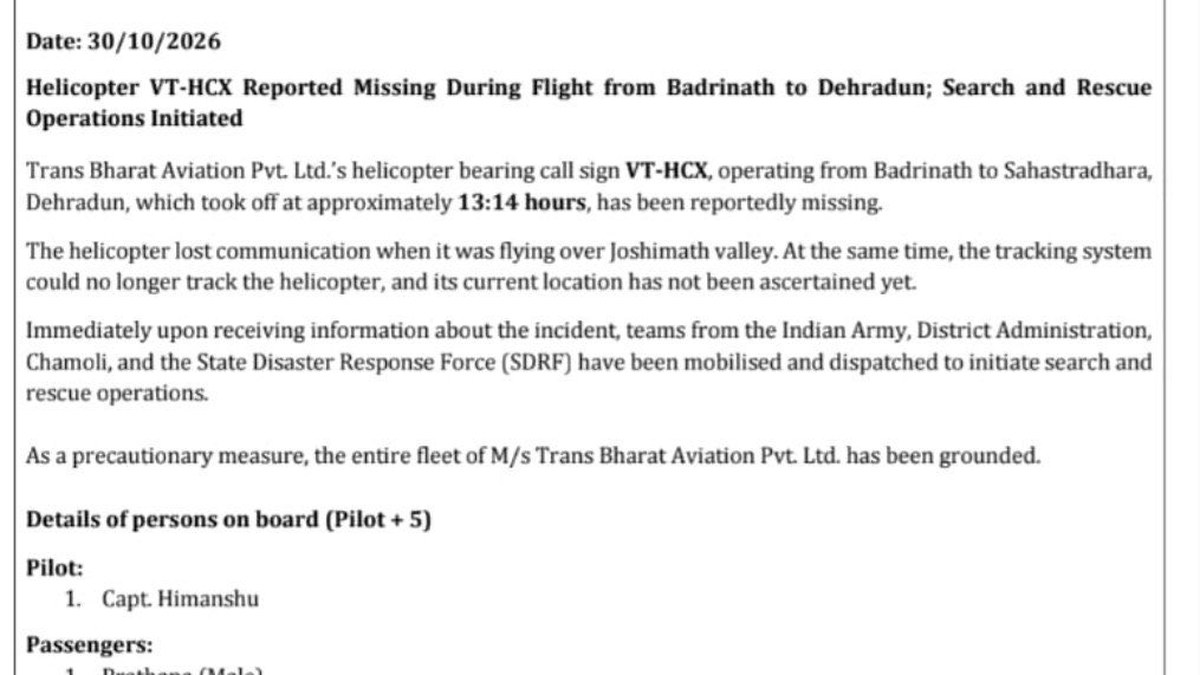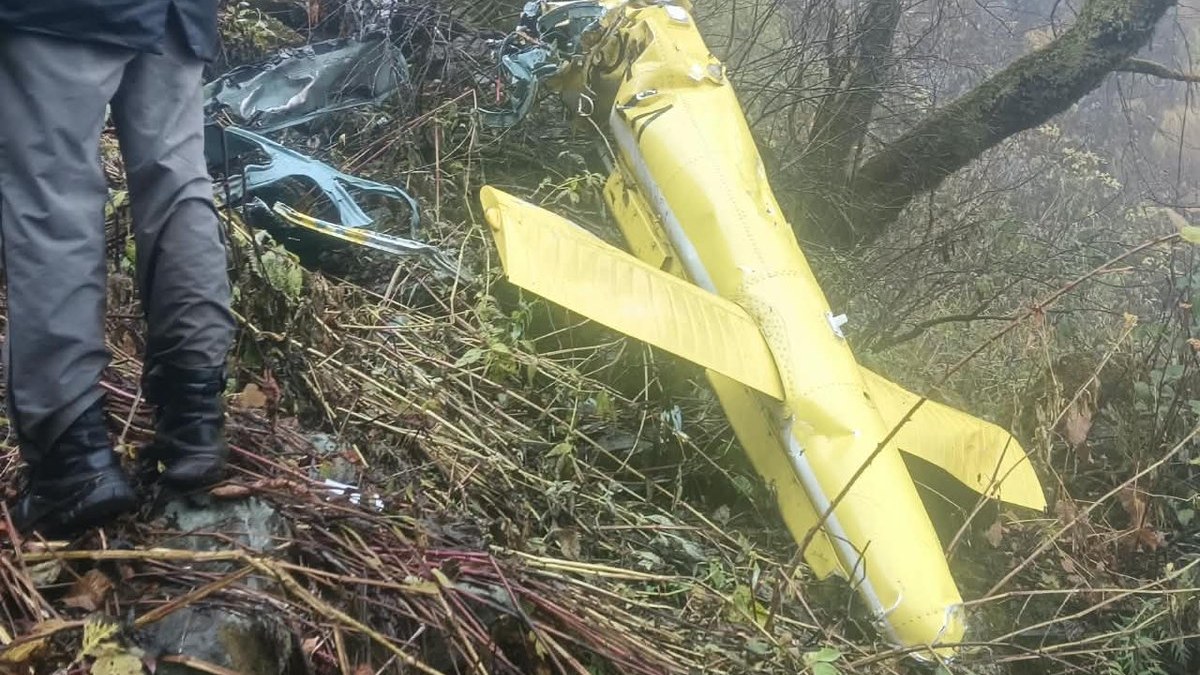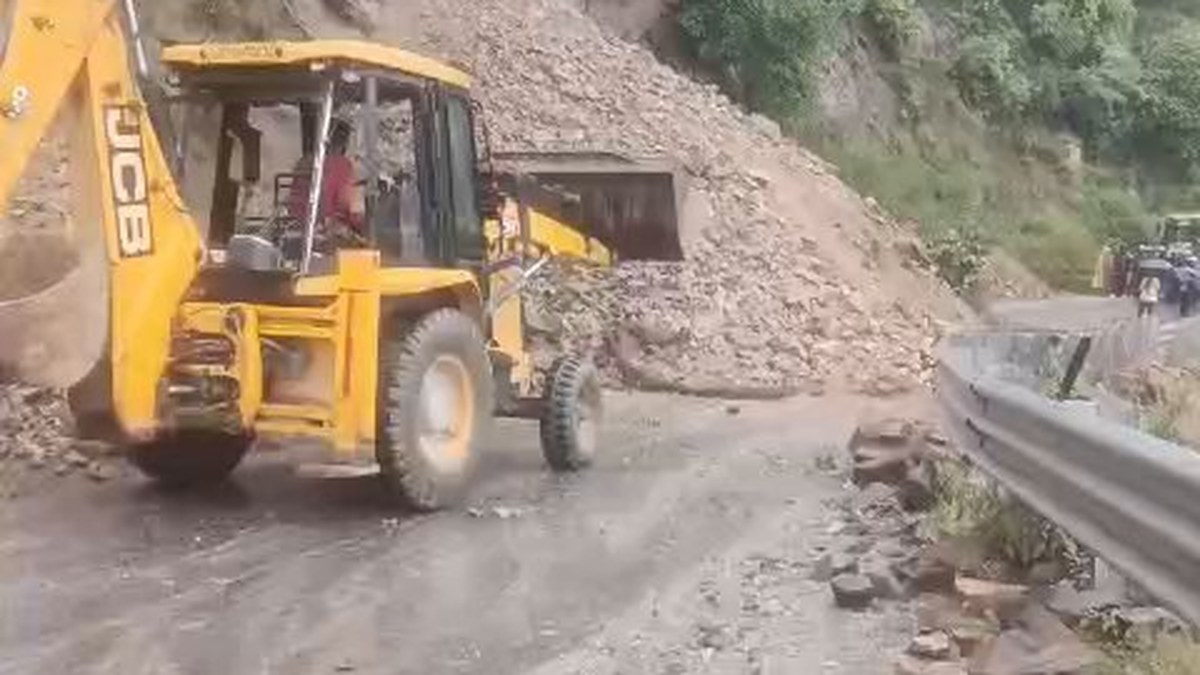

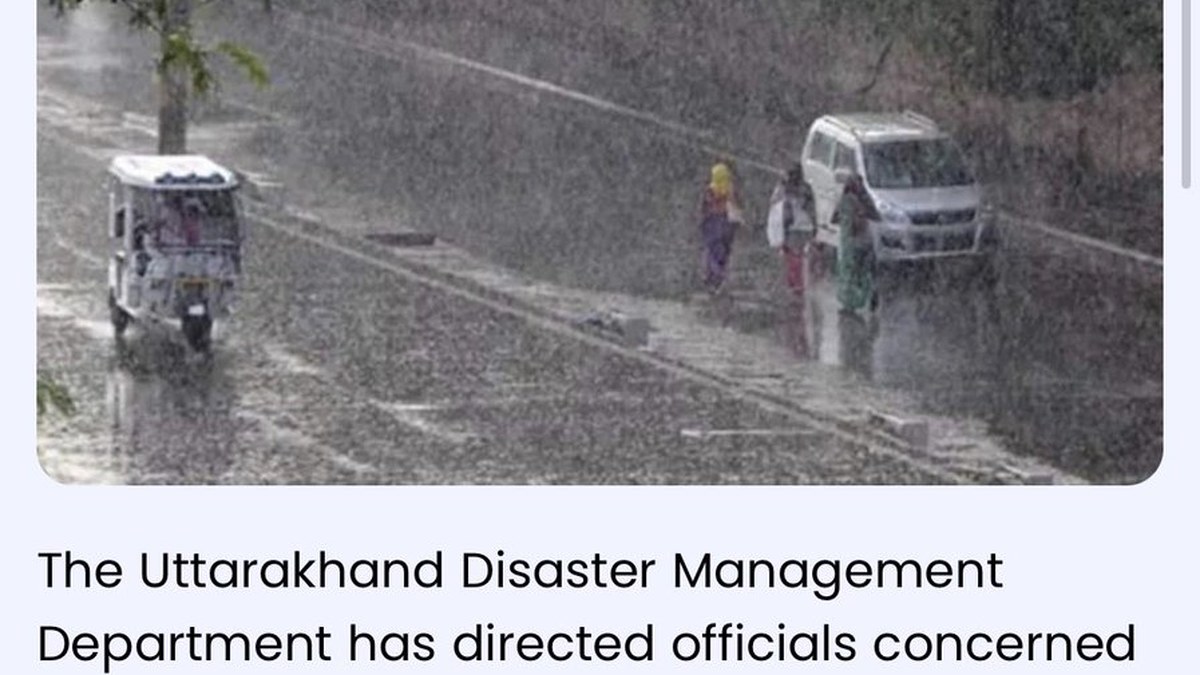
An orange alert for heavy rainfall in Chamoli has raised questions over the decision to allow helicopter services to operate during potentially dangerous weather conditions in Uttarakhand.
The concern focuses on whether weather warnings were given sufficient weight before flights were permitted. In a mountainous region, heavy rain can create difficult flying conditions and increase risks for passengers, crew members and operators.
The criticism also asks who should be accountable when helicopter services continue during an orange alert. Responsibility may involve both the companies operating the flights and the authorities responsible for regulating them, but the supplied material does not identify any specific operator or official decision-maker.
Why the warning matters
An orange alert is presented in the report as a serious weather warning that should not be treated as a routine formality. The wider concern is that disaster management should focus on preventing avoidable tragedies, rather than responding only after an accident occurs.
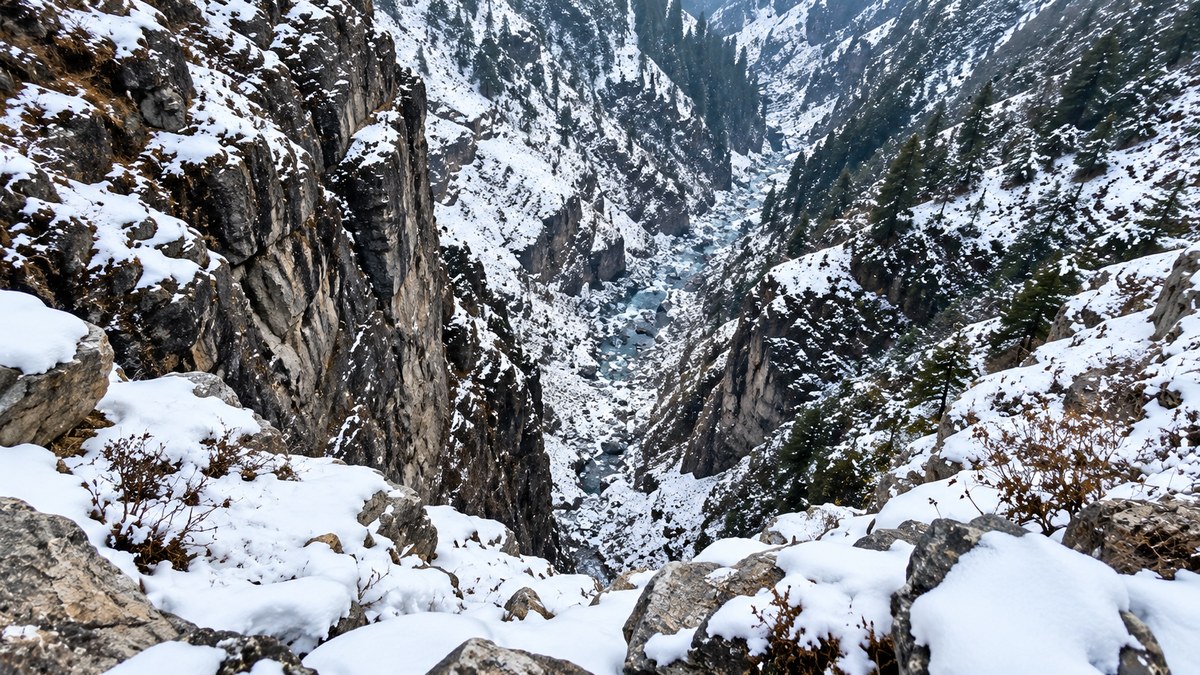
The issue is particularly significant in Uttarakhand, where mountain geography can make transport and emergency operations more challenging. Each helicopter flight carries people whose safety depends on decisions made before take-off and during changing weather conditions.
A related report published by The Hindu on 30 October 2026 said helicopter sorties were allowed despite the orange alert and advice from the Chief Minister’s Office to regulate tourists. That report attributed the claim to an activist. details of the sorties, the operator involved or any accident connected with the issue is not yet available.
Call for responsibility
The criticism calls for accountability from those who approve, operate and regulate helicopter services. It argues that decisions affecting flight safety should be examined before conditions result in loss of life.
The appeal was directed to Uttarakhand Chief Minister Pushkar Singh Dhami and the Uttarakhand Chief Minister’s Office. No response from the Chief Minister or the office is included in the supplied material.
The immediate public-interest question is whether established procedures require helicopter operations to be restricted or reviewed when heavy rainfall warnings are active. The available information does not state what decision-making process was followed in this case.
Conclusion
The Chamoli orange alert has prompted a public demand for answers about helicopter operations, safety decisions and accountability. The verified concern is the need to treat weather warnings as part of prevention-focused disaster management.
Frequently Asked Questions
Q. What weather warning was in place in Chamoli?
An orange alert for heavy rainfall was in place in Chamoli.
Q. What issue has the alert raised?
It has raised questions about why helicopter services were allowed to operate during the warning.
Q. Why is the issue important in Uttarakhand?
Uttarakhand is a mountainous state, and the report says weather warnings can have serious implications for flight safety.
Q. Who has been asked to accept responsibility?
The criticism calls for accountability from those who operate and regulate helicopter services and make decisions about their operation.
Q. What did The Hindu report?
The Hindu reported on 30 October 2026 that helicopter sorties were allowed despite the orange alert and advice from the Chief Minister’s Office to regulate tourists.
Q. Was an official response provided?
No response from the Uttarakhand Chief Minister or the Chief Minister’s Office is included in the supplied material.