
Migration has been described as Uttarakhand’s central development challenge, with a call for political parties to replace election-time promises with a practical, funded plan for the state’s villages.
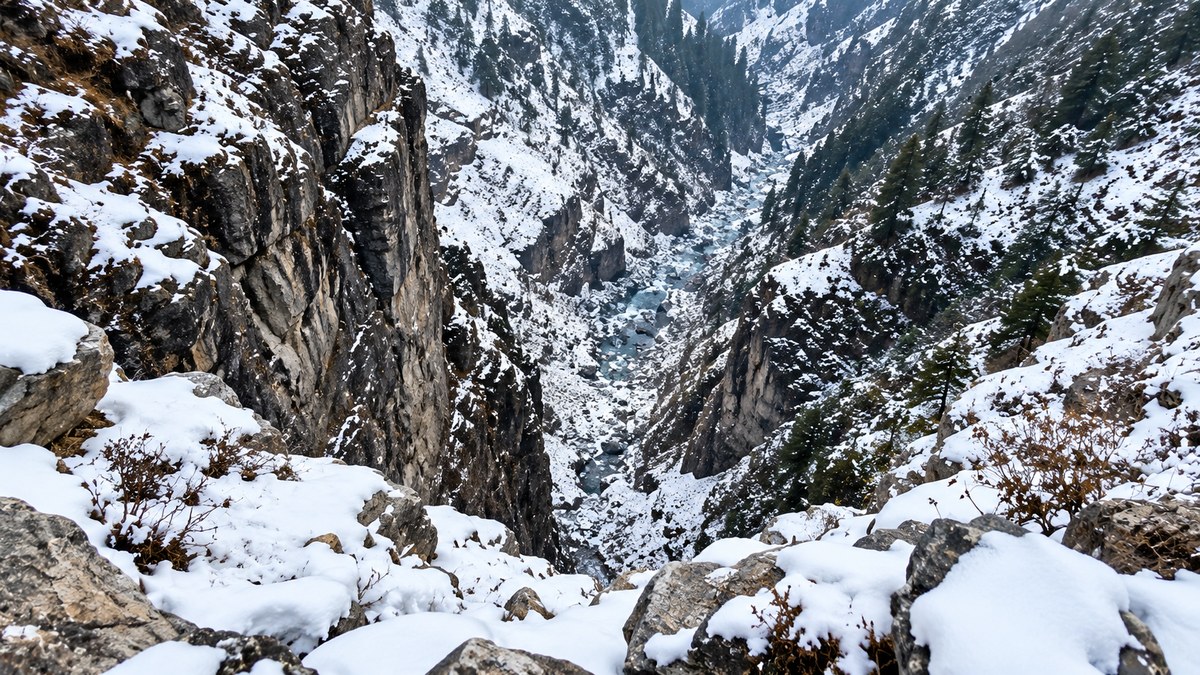
The commentary links people leaving hill settlements with several visible problems: empty schools, closed hospitals, unused farmland and wild animals entering villages. It argues that these issues should be considered part of the same population movement rather than treated as separate concerns.
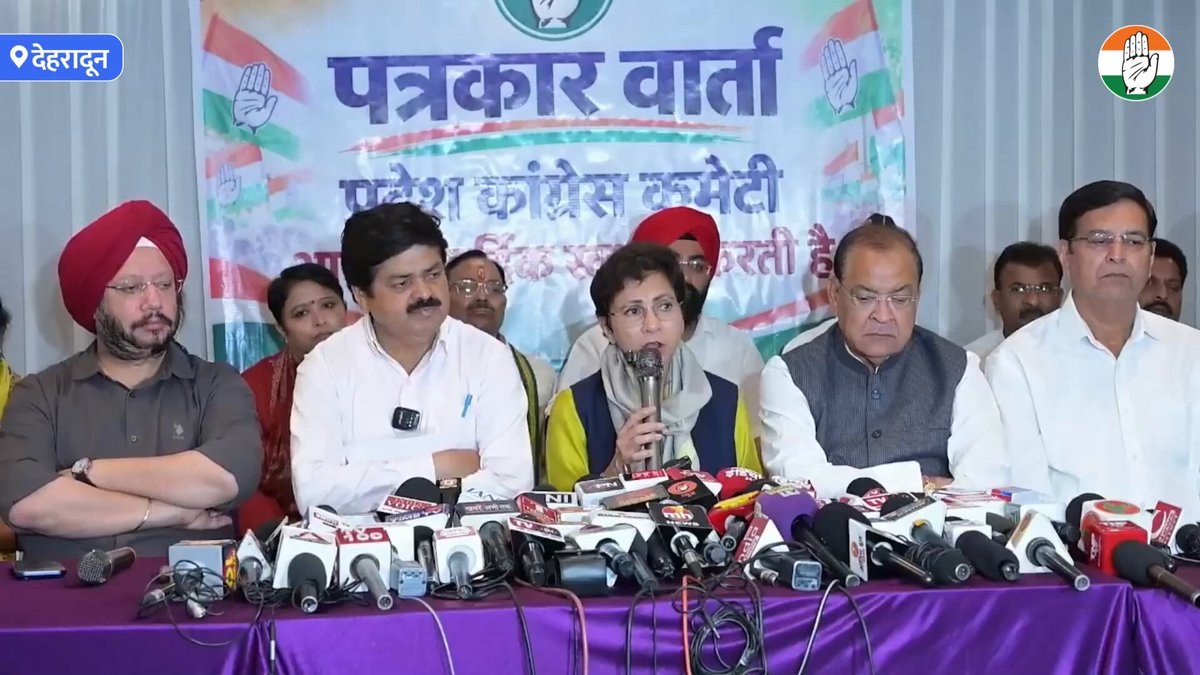
The message also questions the record of both major political parties. It notes that Congress governed Uttarakhand for 10 years, while villages were also becoming empty during that period. The argument is that migration has been raised before elections but has not received sustained attention after governments take office.
The questions facing hill communities
The appeal focuses on the practical conditions that could influence whether people remain in, or return to, Uttarakhand’s hill areas. It asks where jobs will come from, how village schools and hospitals can function, and how farming can once again provide a good income.
It also raises the question of why young people would return to the hills if employment, education, healthcare and reliable livelihoods remain uncertain. The commentary does not provide a specific employment programme or budget, but asks political parties to explain how their plans would work.
The proposed approach is based on 3 requirements: a clear vision, proper planning and a budget supported by deadlines. It argues that the same standards should apply regardless of which party forms the government.
Beyond changing governments
The message says that simply changing the government will not bring villages back. Instead, it calls for a change in how governments manage migration and address the conditions that encourage people to leave.
That means the debate should move beyond campaign speeches and toward measurable plans for employment, public services and agriculture. The commentary presents this as a continuing responsibility for whichever party is in power.
Because the material contains no official plan, budget allocation or deadline, it does not establish that any proposed solution has been adopted. Its verified contribution is a demand for a more concrete policy discussion about migration and village sustainability.
Conclusion
The commentary argues that Uttarakhand needs a long-term, budgeted and deadline-based response to migration, with jobs, schools, hospitals and farming at its centre. It says changing governments alone will not revive villages without changing policy implementation.
Frequently Asked Questions
Q. What is the main issue highlighted?
The main issue is migration from Uttarakhand’s villages and the need for a long-term response.
Q. Which problems are linked to migration?
The commentary links migration with empty schools, closed hospitals, unused fields and wild animals entering villages.
Q. What does it say about Congress?
It says Congress governed Uttarakhand for 10 years and that villages were becoming empty during that period as well.
Q. What does the commentary say about elections?
It argues that both parties discuss migration before elections but forget the issue afterwards.
Q. What questions should a migration plan answer?
It should address the source of jobs, the functioning of village schools and hospitals, agricultural income and the reasons young people might return.
Q. What does the proposed plan require?
The commentary calls for a clear vision, proper planning, a budget and deadlines.
Q. Will changing the government alone solve migration?
The commentary argues that a change of government alone will not bring villages back.
Q. Does the material provide an approved government programme?
No. It calls for a plan but does not provide an approved programme, budget or deadline.