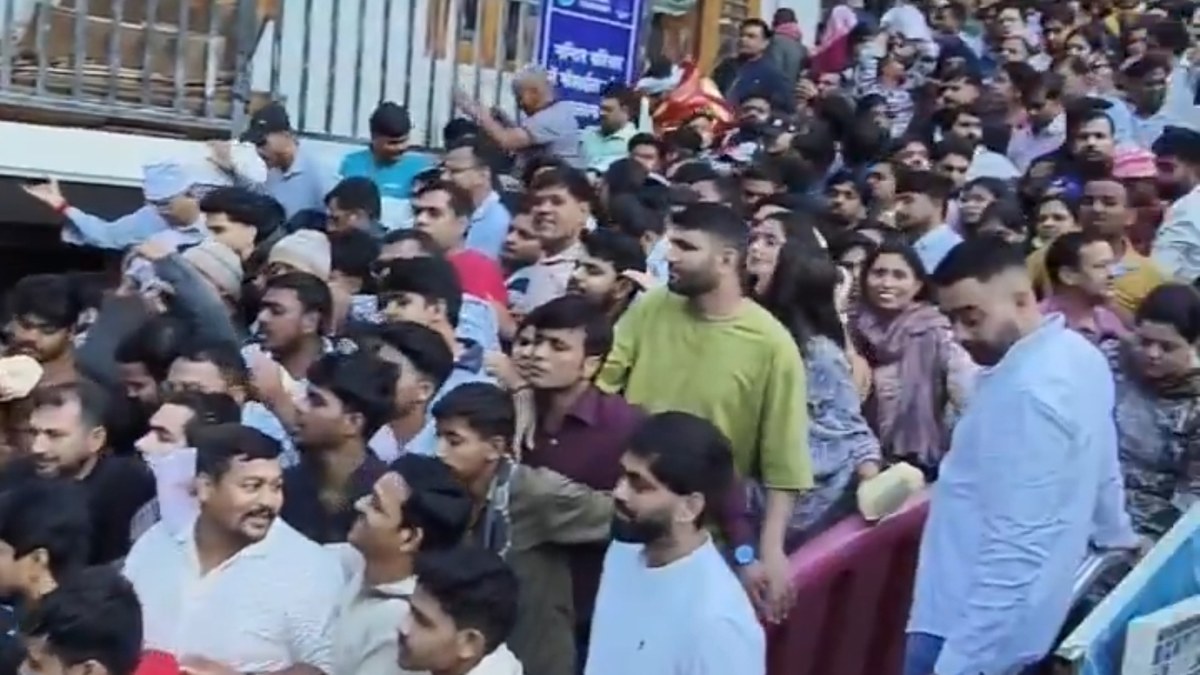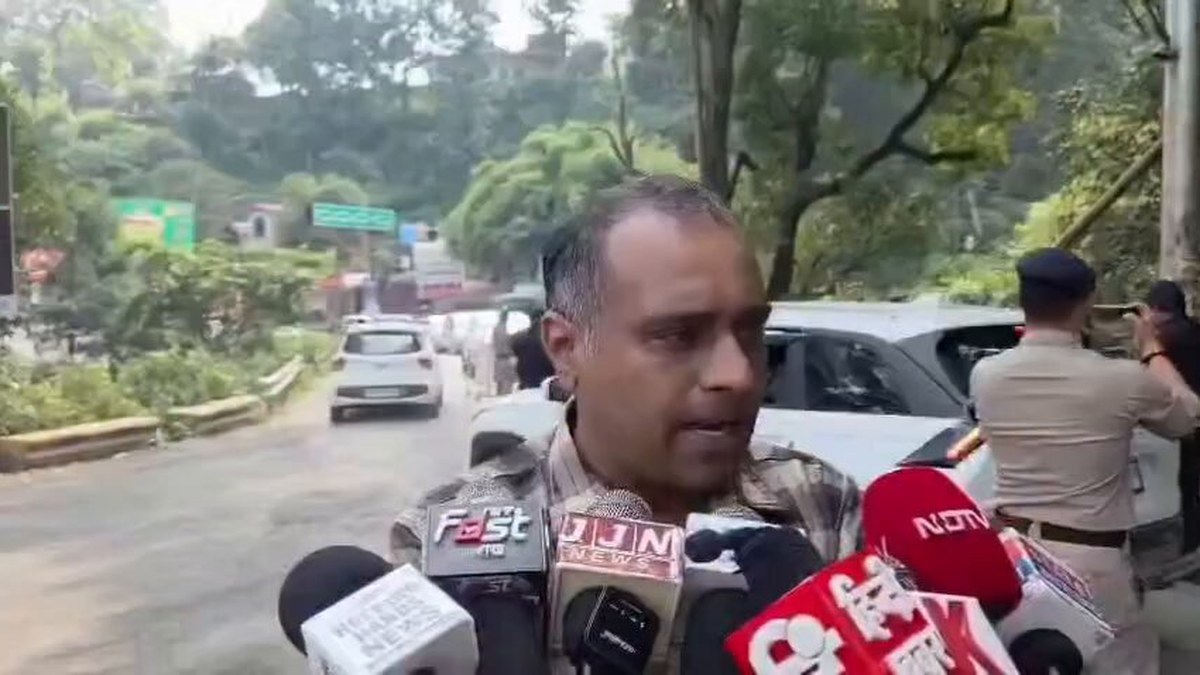

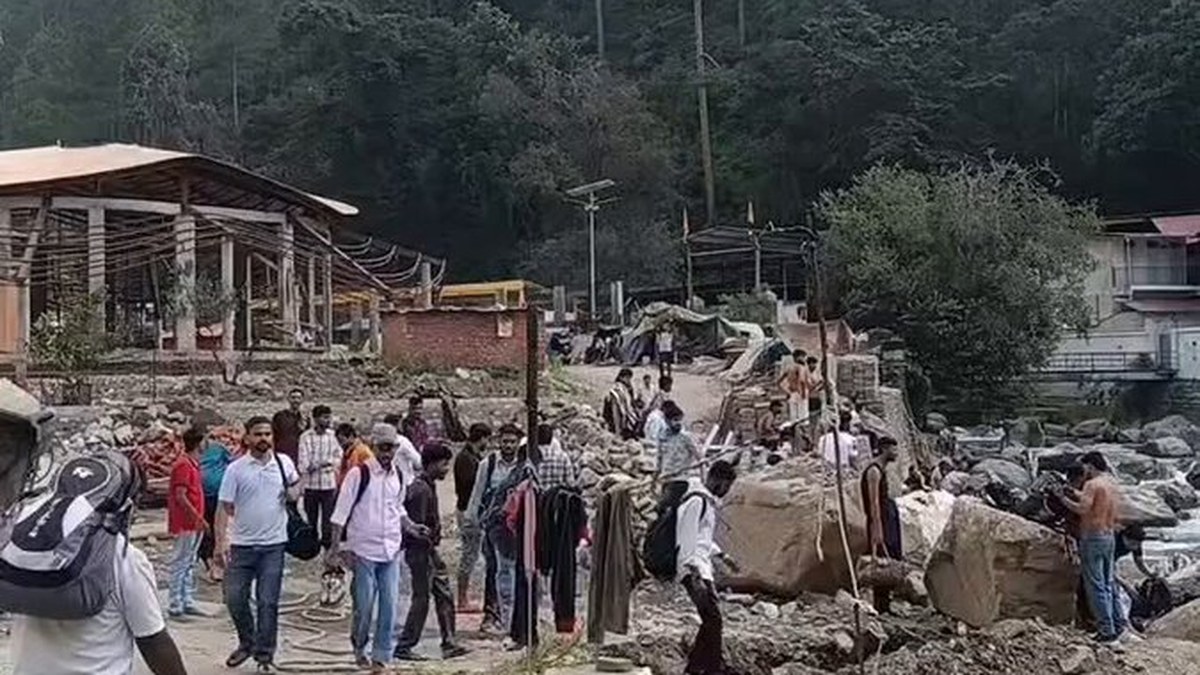
Kainchi Dham’s growing popularity has brought kilometre-long traffic jams and visitors sleeping along roads, according to a commentary examining India’s expanding culture of miracle-seeking pilgr. The discussion places the Uttarakhand shrine within a cycle that has previously lifted Khatu Shyam, Barsana and Bageshwar Dham into the national spotlight.
The pattern described is familiar: a religious site becomes associated with fulfilled wishes, stories spread, and large numbers of visitors arrive hoping for personal help. The commentary says the next destination may emerge elsewhere, repeating the same cycle of fame, expectation and overcrowding.
A practice crossing religious boundaries
The search for divine intervention is not limited to a single community. Muslim devotees make vows and tie threads at Ajmer Sharif and Haji Ali. Christians, along with many Hindu visitors, travel to Velankanni in Tamil Nadu, home to the shrine of Our Lady of Good Health, and to Mount Mary in Bandra.
At Mount Mary, some visitors carry wax representations of the body part they want healed. Sikh devotees seek assistance with matters such as employment and visas at shrines including Talhan Sahib in Punjab, where toy aeroplanes are offered. Beyond India, Lourdes in France draws millions seeking healing through its waters.
These examples suggest that wish-based devotion has a long history and appears across faiths. The current change, the commentary argues, is the speed at which one shrine can become a mass destination.
Why the rush is growing
Economic and personal insecurity form one explanation. Uncertain employment, costly medical treatment and intense competition in examinations can leave people feeling that ordinary institutions offer little control or reassurance.
In that situation, a sacred site can become a place of emotional refuge. Visitors may not only be seeking a miracle; they may also be looking for confidence, consolation or a sense that their problems have been heard.
Social media has accelerated the process. Short videos, celebrity associations and accounts of wishes being fulfilled can quickly transform a relatively quiet religious centre into a major attraction. Kainchi Dham’s rise has been linked in online stories to visits reportedly associated with Steve Jobs, Mark Zuckerberg and Virat Kohli.
The commentary also questions whether pilgris increasingly being approached as an exchange: travel to a shrine, present a request and expect a result. That view does not describe every devotee, but it reflects a shift away from quiet reflection towards visits built around specific demands.
Crowds bring safety and local costs
Faith can provide genuine comfort, but large gatherings create practical pressures. The commentary cites a deadly stampede at Khatu Shyam in 2022 and the deaths of over a hundred people at a religious gathering in Hathras in 2024 as reminders of the dangers surrounding mass events.
It also highlights the strain placed on small hill settlements. Bhowali and similar towns, it argues, cannot absorb lakhs of visitors without disruption for residents. Traffic, accommodation, sanitation and access to local services can all become difficult when visitor numbers rise sharply.
The central concern is therefore not devotion itself. It is whether authorities, infrastructure and public services can keep pace when online attention turns a shrine into a mass pilgrdestination.
Conclusion
The discussion presents the Kainchi Dham rush as part of a broader search for hope during uncertain times. Its lasting question is whether people should have to depend on miracle destinations because everyday systems have failed to provide enough security, care and opportunity.
Frequently Asked Questions
Q. What has happened at Kainchi Dham?
The commentary describes kilometre-long traffic jams and visitors sleeping on roads as the shrine’s popularity has grown.
Q. Which places are mentioned as earlier pilgrtrends?
Khatu Shyam, Barsana and Bageshwar Dham are identified as places that previously experienced similar attention.
Q. Is wish-seeking limited to one religion?
No. The discussion gives examples involving Muslim, Christian, Hindu and Sikh devotees, as well as pilgrims at Lourdes in France.
Q. How has social media affected shrine popularity?
Online videos, celebrity associations and stories of fulfilled wishes can rapidly increase public interest in a religious site.
Q. Which public figures are linked to Kainchi Dham in online stories?
The commentary refers to stories about visits associated with Steve Jobs, Mark Zuckerberg and Virat Kohli.
Q. What risks can large religious gatherings create?
Mass gatherings can produce serious crowd-safety problems, including the stampede cited at Khatu Shyam in 2022.
Q. What happened at Hathras in 2024?
The discussion says over a hundred people were killed at a religious gathering in Hathras in 2024.
Q. Why are small towns affected by pilgrsurges?
The commentary says places such as Bhowali may struggle to manage lakhs of visitors without causing hardship for local residents.