

Heavy Diwali fireworks have pushed air pollution higher across Uttarakhand, with readings from 10 cities showing deteriorating air quality. Haridwar recorded an AQI of 262 in one AQI.in update, the highest figure reported in that update and a level classified as poor.
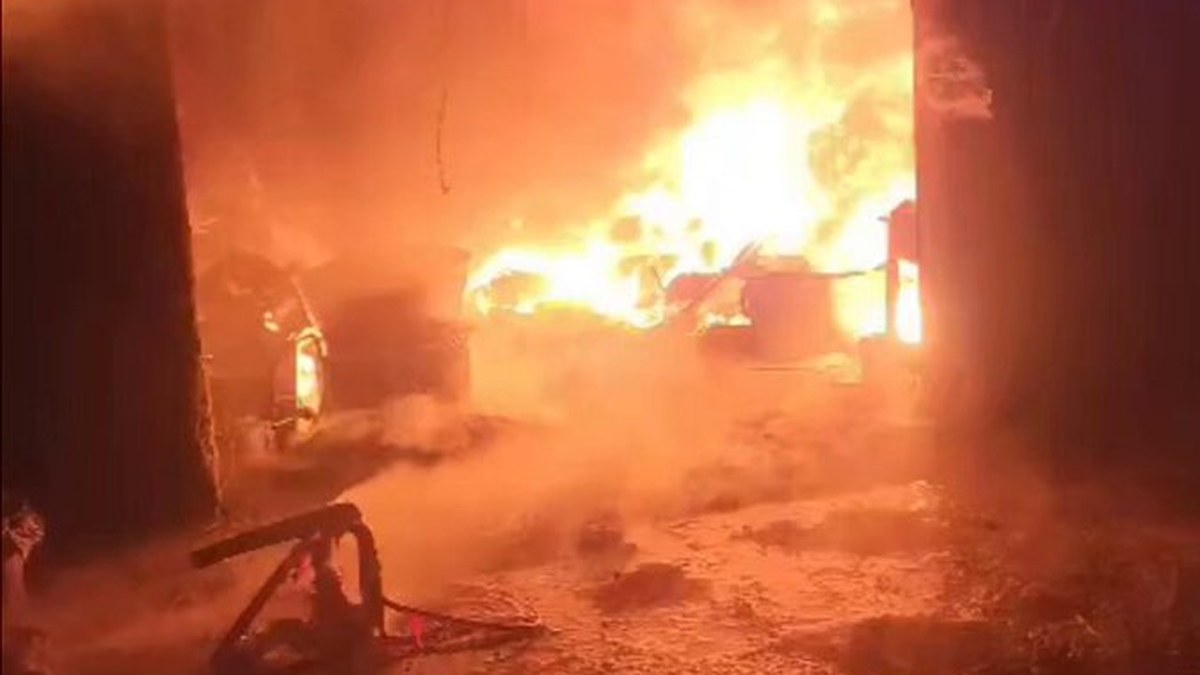
The rise in pollution has been linked in the report to smoke and harmful particles released by firecrackers. People have reported breathing difficulty and eye irritation, while children, older adults and those with respiratory problems may face greater discomfort in polluted air.
Late-night readings show further deterioration
Late-night readings indicated that pollution rose further in several cities. Dehradun recorded an AQI of 350, Haldwani reached 400 and Rudrapur went above 440. Haridwar recorded an AQI of 276 in the same set of late-night figures.
The differing Haridwar readings reflect separate updates: 262 was reported in an earlier AQI.in update, while 276 appeared in the late-night figures. Both readings indicate poor air quality after the Diwali celebrations.
Other AQI.in readings listed Ramnagar at 200, Roorkee at 180, Lansdowne at 175, Jaspur at 152 and Kotdwar at 150. Kashipur recorded 150, while Dehradun, Haldwani and Rudrapur recorded 150, 140 and 155 respectively in another set of readings.
Monitoring sources report different figures
A major difference also emerged between monitoring sources after Diwali. AQI.in reported Dehradun’s AQI at 150, while an AQI meter installed by the administration showed a reading of 54.
The 2 figures cannot be treated as the same measurement because they came from different sources. The report does not provide a reason for the gap, but the contrast highlights the variation in readings available for the city.
What the AQI measures
The Air Quality Index indicates the level of pollutants in the air and helps show how safe the air is for breathing. A higher AQI represents poorer air quality.
Firecracker smoke can increase the concentration of fine particles such as PM2.5 and PM10. These particles can enter the body through breathing and affect health, which is why pollution often rises in cities after Diwali fireworks.
Conclusion
AQI.in readings show that Diwali fireworks were followed by elevated pollution across Uttarakhand, with the sharpest reported late-night increases in Rudrapur, Haldwani and Dehradun. Haridwar also remained in the poor category, although monitoring sources reported different figures.
Frequently Asked Questions
Q. Which city recorded the highest AQI in the AQI.in update?
Haridwar recorded an AQI of 262, described as the highest reading in that update.
Q. What were the late-night AQI readings in Dehradun, Haldwani and Rudrapur?
Dehradun recorded 350, Haldwani reached 400 and Rudrapur went above 440.
Q. What was Haridwar’s late-night AQI?
Haridwar recorded an AQI of 276 in the late-night figures.
Q. Which other cities recorded elevated AQI readings?
Ramnagar, Roorkee, Lansdowne, Jaspur, Kotdwar, Kashipur, Dehradun, Haldwani and Rudrapur were among the cities listed with elevated readings.
Q. Why did pollution rise after Diwali?
The report linked the increase to smoke and harmful particles released by firecrackers.
Q. What health complaints were reported?
Breathing difficulty and eye irritation were reported. Children, older adults and people with respiratory problems may experience greater discomfort.
Q. How did the Dehradun readings differ between sources?
AQI.in reported Dehradun’s AQI at 150, while an administrative AQI meter showed 54.
Q. What do PM2.5 and PM10 refer to in the report?
They are fine particles whose concentration can increase because of firecracker smoke and which can enter the body through breathing.