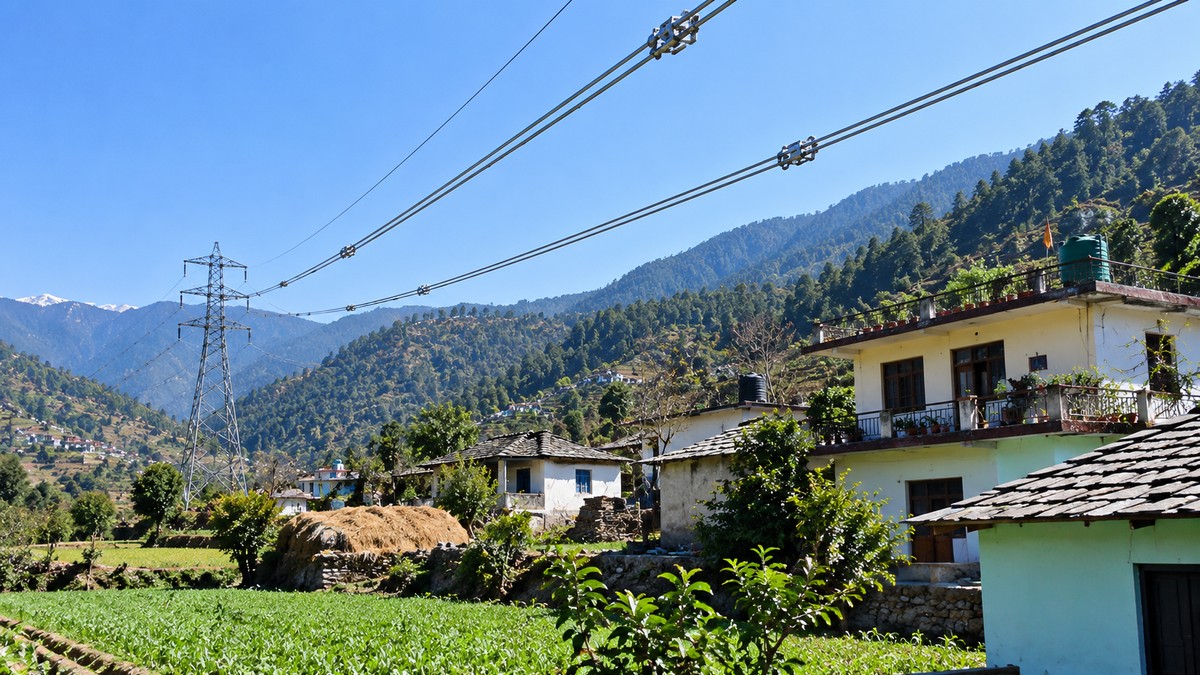

In Mori development block of Uttarkashi, BSNL mobile connectivity remains unreliable in distant rural areas, creating obstacles for daily communication and digital access. Some locations lack signal due to aging towers, while others wait for newly installed towers to become active. As a result, residents report difficulty in making essential phone calls and frequently must move away from homes to higher ground in search of a stronger signal. Internet connectivity shortfalls are impacting students’ online classes and broader digital activities.
The problem also extends to digital banking, online government services, job applications, and other internet-based facilities, making it harder for villagers to access necessary tools. Social worker Manmohan Singh Chauhan presented a memorandum to the general manager of BSNL Uttarakhand detailing the demand for improvement. The memorandum requests a technical survey of mobile network status in the remote areas of Mori, capacity enhancement for existing towers, and expeditious activation of newly installed towers. It also calls for the quicker commissioning of towers that have been ready for some time but not yet operational.
Chauhan stressed that mobile connectivity and internet access are no longer just for voice calls; they are essential for education, employment, banking, and the delivery of government schemes. The current weak network in distant regions deprives residents of full digital benefits. The community seeks a clear plan—from a technical assessment to targeted tower upgrades and faster launching of pending towers—to restore reliable service for students, traders, youth, and everyday villagers.
Residents emphasize that the border and peripheral nature of Mori makes robust communication infrastructure a must for education, commerce, and governance. Improving the network is viewed as a key step toward broader rural development.